


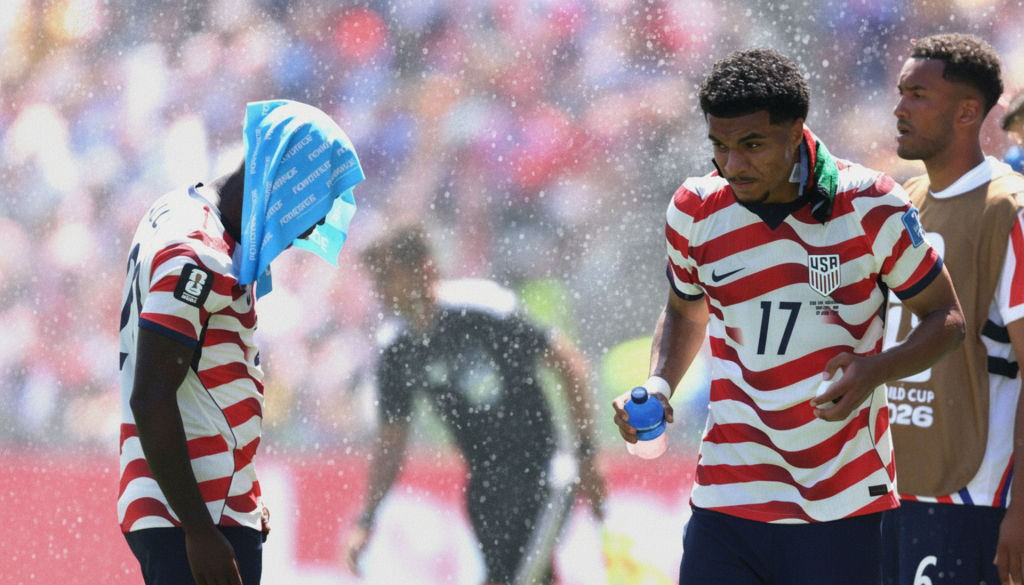
Wenger: Future of Hydration Breaks Undecided in Football
Arsène Wenger, FIFA’s Chief of Global Football Development, has recently addressed the ongoing debate regarding hydration breaks in football matches. As global temperatures rise and concerns about player welfare grow, hydration breaks have become an increasingly discussed feature in matches, especially in leagues and tournaments held in hot climates.
In a statement covered by ESPN, Wenger highlighted that the implementation and future of hydration breaks remain undecided at FIFA. While hydration breaks have been trialed and sometimes adopted, the governing body is still evaluating the best way to incorporate them consistently without disrupting the flow and spirit of the game.
Context of Hydration Breaks in Modern Football
Hydration breaks were introduced primarily to address player safety in extreme heat conditions. These short pauses allow players to rehydrate and recover briefly during matches, which can often take place in challenging weather, especially during summer tournaments or in regions with high temperatures.
While these breaks have generally been well-received for improving player health, some critics argue they may interrupt the game’s tempo and potentially influence match outcomes. This debate has seen mixed reactions from fans, coaches, and players alike.
Wenger’s Role and the Evaluation Process
Wenger, with his extensive experience in football management and development, has been deeply involved in discussions about improving the sport. His comments suggest that FIFA is taking a balanced approach, considering medical advice, player feedback, and the integrity of the game before making a firm decision on hydration breaks.
Currently, hydration breaks are permitted under specific circumstances, such as when the Wet Bulb Globe Temperature (WBGT) index reaches certain thresholds. However, FIFA aims to standardize these rules to ensure fairness and consistency across competitions worldwide.
Implications for Players and Competitions
Players have welcomed the introduction of hydration breaks as essential for their health and performance. In harsh weather conditions, these breaks can prevent heat-related illnesses and maintain the quality of play throughout matches.
At the same time, organizers and referees are tasked with managing these breaks carefully to minimize game disruption. The future guidelines established by FIFA will likely provide clear frameworks on when and how hydration breaks should be implemented.
Looking Ahead
As climate change impacts extend, football governing bodies are increasingly tasked with adapting the game to ensure athlete safety without compromising the sport’s competitive nature. Wenger’s remarks underscore that FIFA remains proactive in exploring all solutions, including hydration breaks, to protect players while preserving the essence of football.
With ongoing consultations among medical experts, players, clubs, and referees, a decision on the standardized use of hydration breaks is expected in the near future.
For football fans and stakeholders, staying updated on FIFA’s policies will be crucial as the sport evolves with the changing environmental and health considerations globally.