

USMNT Must Strategize Beyond 2026 World Cup for Lasting Success
The United States Men’s National Soccer Team (USMNT) stands at a crucial crossroads following their hosting of the 2026 FIFA World Cup. The tournament has reignited passion and expectations within the country’s soccer community. However, experts and insiders, including veteran coach Mauricio Pochettino, emphasize that to truly capitalize on the event’s momentum, the USMNT needs a robust and ambitious post-World Cup succession plan. This plan must focus on cultivating young talent, embracing progressive coaching philosophies, and implementing a strategic vision that transcends the immediate success at the 2026 tournament.
The Current State of USMNT
USMNT’s progress in recent years has been notable, with an increasing presence of American players in top European leagues and a more competitive national team. The country’s investment in youth development academies and infrastructure has started to yield promising results. Yet, the challenge remains to maintain this upward trajectory. As established stars approach the twilight of their careers, creating a seamless transition of leadership and skill to the next generation becomes vital. The absence of such foresight could result in stagnation and lost opportunities to establish the US as a permanent soccer powerhouse.
Insights from Mauricio Pochettino
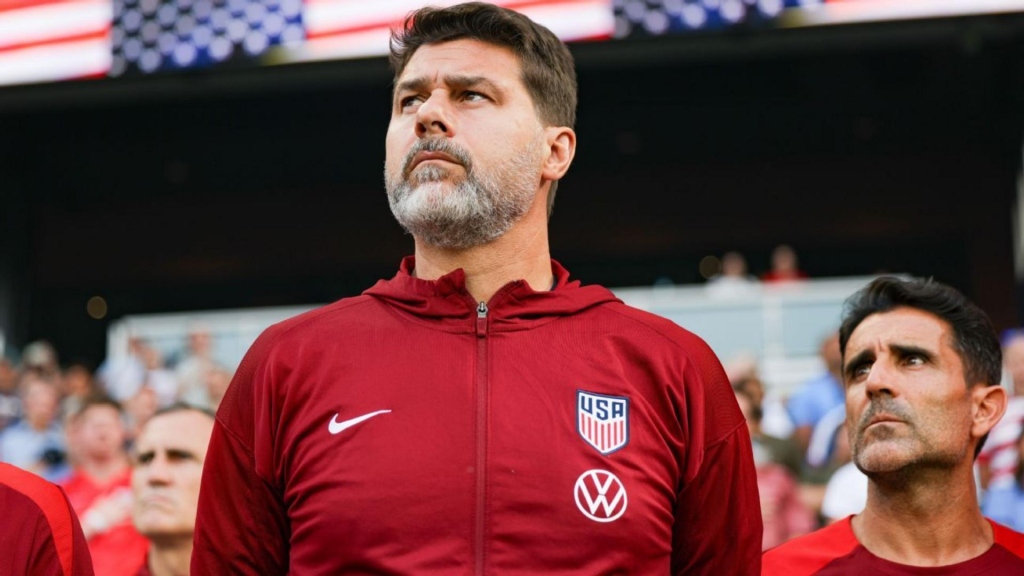
Mauricio Pochettino, renowned for his tactical expertise and leadership, recently voiced his concerns regarding the future of USMNT. He advocates for the creation of an ambitious, detailed succession plan that addresses not only player development but also coaching and organizational structures. Pochettino highlighted the urgency to embed a cohesive playing style and identity across all levels of US soccer. Such an approach would ensure that emerging talents are well-prepared to adapt and thrive in the senior team environment.
Key Components of a Post-World Cup Succession Plan
- Talent Identification and Development: Expanding scouting networks and investing in youth academies nationwide to discover and nurture promising athletes early.
- Coaching Education: Enhancing coach training programs to promote modern tactics and player management, ensuring consistency in development philosophies.
- Infrastructure and Resources: Increasing funding for training facilities, sports science, and medical support to optimize player performance and longevity.
- Strategic Vision: Establishing a long-term roadmap with measurable goals, including clear pathways for youth players to progress into the senior team.
Challenges to Overcome
The US soccer system faces several hurdles, including fragmented talent pipelines, competition from other sports for athlete attention, and cultural obstacles related to the sport’s popularity. Additionally, integrating diverse player backgrounds and ensuring equitable access to development opportunities are critical issues that the succession plan must address.
The Role of the Soccer Community and Stakeholders
The successful implementation of an ambitious succession plan requires collaboration between the U.S. Soccer Federation, domestic leagues like MLS, youth clubs, private investors, and public entities. Unified commitment is essential to provide stable funding, policy support, and innovation to sustain the growth initiated by the World Cup exposure.
Looking Ahead
With the 2026 FIFA World Cup serving as a catalyst, the USMNT has the unique opportunity to build a legacy that extends well beyond a single tournament. By focusing on a comprehensive and ambitious succession strategy, the United States can continue to rise in the global soccer arena and inspire future generations of players and fans alike.
Image courtesy by www.espn.com