


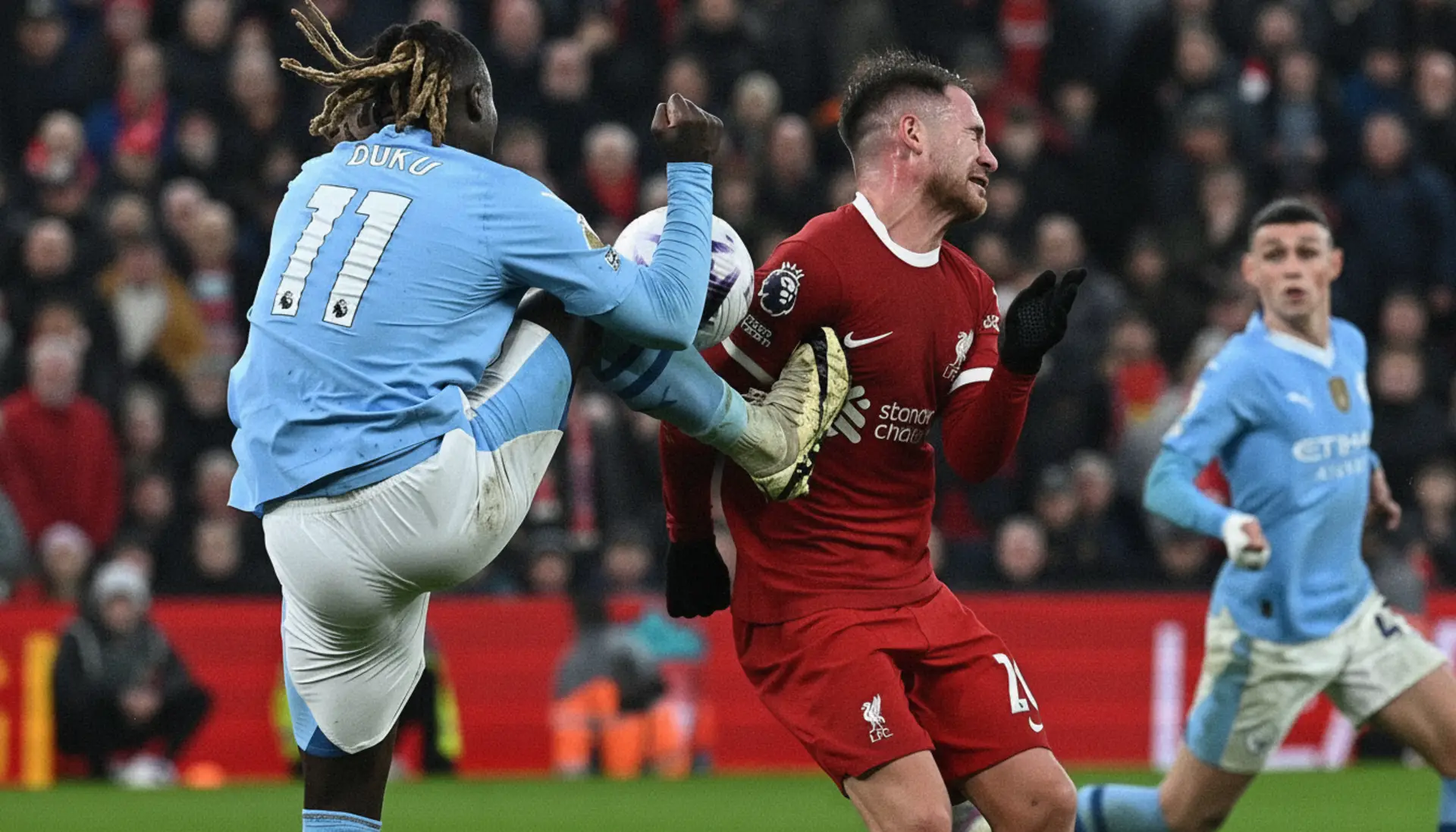
Slot Accuses Liverpool of Benefiting from Repeated Controversial Decisions
In a recent development following a heated Premier League clash, Erik ten Hag’s Manchester United suffered a narrow defeat to Liverpool, a match that has since been marred by controversy over refereeing decisions. Slot, a notable analyst and commentator, has come forward to highlight what he describes as a disturbing ‘pattern’ of bad calls favoring Liverpool in this and other recent fixtures.
Details of the Match and Controversial Moments
The game, fiercely contested, ended with Liverpool securing a 2-0 victory on their home turf—a result that has been critically dissected for several pivotal referee decisions. Slot expressed his frustrations over the officiating, suggesting that these calls played a fundamental role in shaping the game’s outcome.
He particularly pointed out several moments where the video assistant referee (VAR) interventions seemed inconsistent, resulting in Liverpool gaining advantages through penalties and questionable free kicks. According to Slot, this was not an isolated incident but part of a recurring trend throughout Liverpool’s recent matches.
Pattern of Refereeing Controversy Impacting Liverpool’s Matches
Slot’s criticism is part of a broader discussion on the influence of refereeing in top-tier football matches. He argues that the accumulation of seemingly biased decisions contributes to an unfair competitive environment. The implication is that Liverpool, intentionally or not, is benefiting from a series of calls that other teams have not enjoyed.
This pattern, as Slot suggests, undermines the integrity of the sport and could have long-term implications for the reputation of the league if not addressed. The Premier League governing bodies may need to reassess their refereeing standards and VAR protocols to restore faith among clubs and fans alike.
Response from Liverpool and the Football Community
In response to these accusations, Liverpool’s camp has largely remained tight-lipped but defended their performances as being the result of skill and hard work rather than favorable calls. Some football pundits have echoed Slot’s concerns, calling for more transparency and consistency in decision-making on the field.
The ongoing debate highlights the challenges football faces in balancing technological aids such as VAR with human judgment, and how this balance impacts the perception of fairness in the game.
Looking Ahead
As the Premier League continues its intense schedule, all eyes will be on upcoming fixtures to see if this ‘pattern’ identified by Slot persists or is corrected. Clubs, officials, and fans are all eager for a fair and competitive environment where the outcome is decided by the players on the pitch rather than external factors.
In conclusion, Slot’s comments shed light on an issue that strikes at the heart of football ethics and the importance of impartial refereeing. As the sport evolves, maintaining integrity and trust remains paramount for the continued global appeal of the beautiful game.
Image courtesy by www.espn.com