


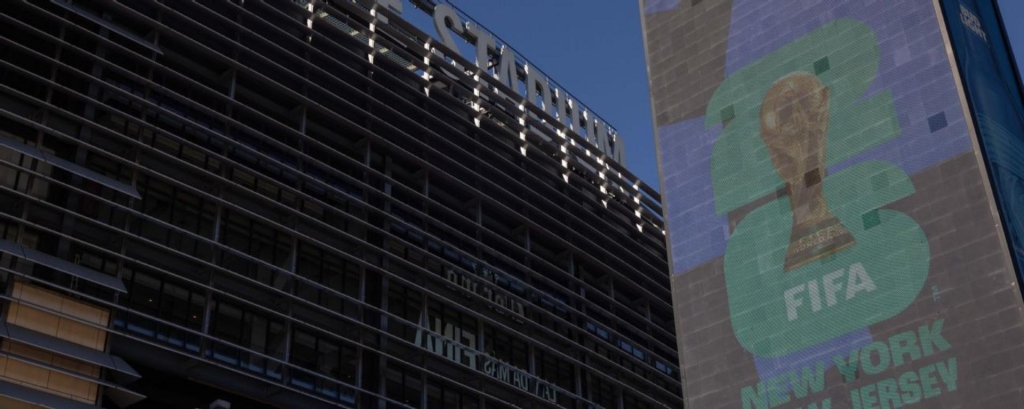
Amnesty International Issues World Cup Travel Advisory for U.S. Fans
Amnesty International has recently issued a travel advisory for supporters planning to attend the World Cup matches in the United States, citing concerns over potential human rights risks and public safety issues. This advisory comes amid growing international scrutiny regarding security and treatment of visitors during major global sporting events held in the U.S.
Overview of the Advisory
In a detailed statement, Amnesty International highlighted various factors influencing their advisory. While the U.S. remains a top destination for soccer fans worldwide, the organization expressed caution about the social and political climate in certain regions hosting the tournament games. Key issues addressed include the handling of protests, racial profiling practices, and access to medical care during emergency situations.
Public Safety and Human Rights Concerns
- Law Enforcement Practices: Amnesty International pointed out concerns regarding aggressive policing tactics and the potential for disproportionate force in crowd control scenarios.
- Discrimination and Profiling: The advisory underscored risks faced by minority groups and international visitors susceptible to racial profiling or discrimination in public spaces.
- Health and Emergency Services: The organization encouraged visitors to be aware of varying healthcare quality and availability depending on the match locations.
Recommendations for Travelers
- Stay informed about local laws and regulations in the cities hosting World Cup events.
- Avoid large protests or demonstrations that could escalate into confrontations.
- Maintain identification and emergency contact information readily accessible.
- Utilize official transportation and authorized event venues to reduce exposure to unsafe situations.
- Report any incidents of abuse or mistreatment to both local authorities and international organizations.
Response from U.S. Officials and Organizers
In response to the advisory, U.S. government officials and World Cup organizers have reaffirmed their commitment to ensuring a safe, welcoming environment for all attendees. Security measures have been enhanced in cooperation with local agencies, and public awareness campaigns are being launched to inform visitors about safety protocols and their rights.
Officials urged fans to remain vigilant but also confident in the extensive preparations underway for this highly anticipated event. They emphasized that sports events are an opportunity to foster cultural exchange and unity among global communities.
Implications for the World Cup Experience
While the advisory may cause some concern among prospective travelers, many supporters remain excited about the chance to witness the World Cup on U.S. soil for the first time in decades. The balance between celebrating sport and acknowledging security challenges is critical for an enjoyable and safe experience.
Amnesty International’s advisory serves as a reminder of the importance of human rights considerations in global sporting events, encouraging cooperation between fans, authorities, and advocacy groups to uphold safety standards and respect for individual freedoms.
Conclusion
As the World Cup approaches, the spotlight on safety and rights issues underscores the complexity of hosting an event of this magnitude. Fans from around the world are advised to stay informed, exercise caution, and contribute positively to the spirit of the tournament. The U.S. hopes to showcase not only its passion for soccer but also its dedication to welcoming and protecting visitors on the international stage.
Image courtesy by www.espn.com