


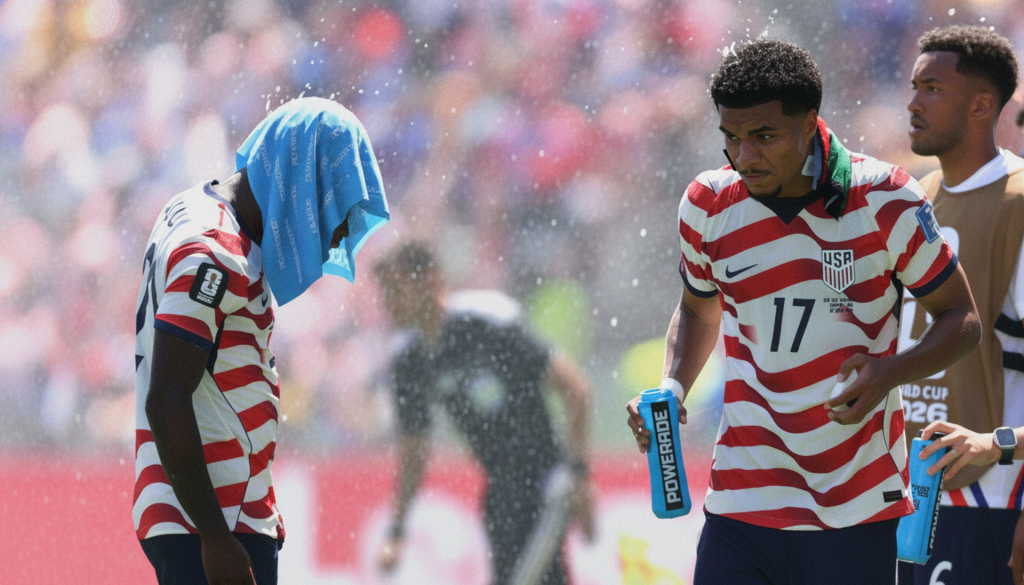
Wenger Comments on the Uncertain Future of Hydration Breaks in Soccer
Arsène Wenger, a revered figure in world football and FIFA’s Chief of Global Football Development, has spoken about the ongoing discussions concerning the implementation and future of hydration breaks during soccer matches. Despite their recent introduction and use in professional games, he confirmed that FIFA has yet to reach a final decision on whether hydration breaks will become a permanent fixture in the sport.
Background on Hydration Breaks in Football
Hydration breaks were introduced primarily as a response to player health concerns amid rising global temperatures and the physical demands on players in elite competitions. These breaks allow players to rehydrate and recover briefly during matches, typically when the temperature surpasses a certain threshold. The innovation has been welcomed by many players and coaches alike as a practical measure to prevent heat-related illnesses and maintain competitive standards.
Wenger’s Role and Current Position
As FIFA’s Director of Global Football Development, Wenger plays a critical advisory role in shaping the rules and development of the game worldwide. In recent comments, he emphasized that discussions around hydration breaks remain ongoing within FIFA committees. He noted that while there is broad acknowledgment of the benefits, detailed considerations around how and when they should be implemented uniformly across different leagues and competitions have yet to be finalized.
Challenges and Considerations
- Uniform Application: Different leagues and tournaments face unique challenges, including varying climates, playing conditions, and scheduling constraints.
- Match Flow and Pace: There are concerns about how hydration breaks might impact the rhythm and flow of the game, as well as viewers’ experience.
- Player Welfare vs. Competitive Integrity: Balancing optimal player safety with maintaining the traditional intensity and competitive nature of football remains a key consideration.
Future Outlook
Wenger assured fans and stakeholders that FIFA will continue to monitor the impact of hydration breaks, gather data, and consult with players, coaches, and medical experts worldwide. The organization aims to reach a clear, evidence-based consensus to ensure the best outcomes for player health and the sport’s integrity.
In the meantime, hydration breaks will continue to be utilized on a case-by-case basis, especially during tournaments or matches played under extreme environmental conditions.
Wenger’s candid remarks highlight the complexities of evolving a centuries-old sport while prioritizing player health in an era of climate change and intensified athletic performance demands.