


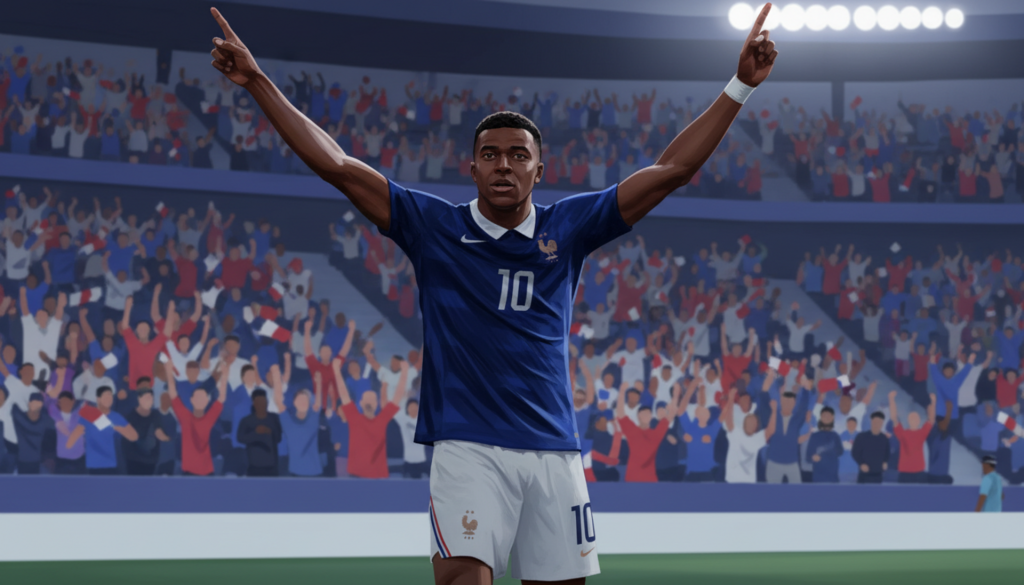
FIFA Stands by Referee Following Controversial France vs Spain Match
Following the intense Spain vs France match in the 2026 World Cup qualifiers, FIFA has firmly defended the referee, labeling him as ‘world-class’ despite criticism from France’s head coach, Didier Deschamps. The match, which garnered significant attention due to its high stakes, saw a number of contentious decisions made by the official that sparked debate across the football community.
Deschamps’ Criticism and the Referee’s Decisions
Didier Deschamps expressed his dissatisfaction with the officiating after the game, suggesting that some calls adversely affected France’s performance and possibly the match outcome. The French coach highlighted a few key moments where he believed the referee’s judgment was questionable, which stirred discussions among players, fans, and analysts alike.
Despite these criticisms, FIFA’s refereeing chief Pierluigi Collina, a respected figure in football officiating, publicly supported the referee’s decisions and overall conduct during the match. Collina emphasized the referee’s professionalism and adherence to the laws of the game, stating that his performance met the highest standards expected at this level of international competition.
FIFA’s Stance and Importance of Referee Integrity
In defending the official, FIFA underscored the importance of maintaining respect for referees who operate under immense pressure while making split-second decisions. The governing body acknowledged that while debates over specific calls are inevitable in football, the integrity and competence of its referees remain paramount.
FIFA’s support also reflects their ongoing commitment to ensure fair play and transparency in the qualifying stages of the 2026 World Cup. By publicly backing their referees, FIFA aims to reinforce confidence in the refereeing system among teams, coaches, and fans.
The Road Ahead for France and Spain
Both France and Spain continue their rigorous campaigns to secure a place in the upcoming World Cup. The match highlighted the high level of competition and the critical role officiating plays in such pivotal encounters.
As teams prepare for the subsequent fixtures, discussions about refereeing standards and match fairness are likely to persist. FIFA’s prompt response serves as a reminder of the challenges faced by referees and the importance of supporting officials in maintaining the sport’s integrity.
Conclusion
The dispute following the France-Spain match in the 2026 World Cup qualifiers shines a light on the complexities of football refereeing at the highest level. While coaches like Didier Deschamps voice their concerns, FIFA’s defense of the referee affirms its dedication to upholding referee quality and trustworthiness in football globally.