


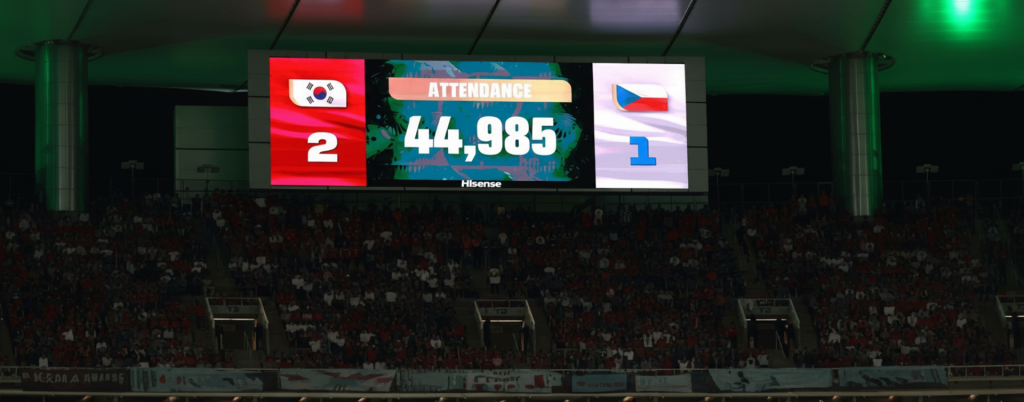
FIFA Stands Firm on Attendance Numbers Despite Visible Empty Seats
During the FIFA World Cup match between South Korea and Czechia, many viewers and attendees noticed a significant number of empty seats within the stadium. This sparked questions and criticism regarding the accuracy of FIFA’s reported attendance numbers for the event.
What Happened During the Match?
The game, anticipated by many soccer fans worldwide, was held in a large stadium featuring thousands of seats. However, during the live broadcast and photographs of the event, noticeably many seats appeared unoccupied. This observation led to doubts about how FIFA reports attendance figures and raised concerns about the perceived popularity and fan engagement in some World Cup matches.
FIFA’s Response to the Criticism
In response to the scrutiny, FIFA issued a statement defending the attendance figures they reported. They explained that the attendance count includes not only ticket holders who are present in the stands but also all other individuals present inside the stadium at the time of the match. This encompasses staff, media members, hospitality guests, and others who have access to the venue.
FIFA emphasized that their method of counting attendees is consistent with longstanding industry practice and aligns with how attendance is generally recorded for major sporting events. Therefore, despite some seats being visibly empty, the official figure reflects all tickets sold and the total number of people inside the stadium.
Understanding Attendance Figures
Attendance figures in major sporting events can sometimes be misinterpreted if only perceived based on the number of visible spectators in the seats. Factors that may influence seat occupancy include late arrivals, fans entering and exiting the stadium at various times, and areas reserved for hospitality or media purposes that might not appear as completely filled on camera.
Impact and Public Perception
The incident sparked a broader conversation about transparency and clarity in sports event reporting. Fans expressed frustration on social media platforms, urging for FIFA to consider more precise reporting methods or to provide clarifications before matches.
Meanwhile, FIFA’s statement has reassured many that the attendance figures, though they may seem misleading at a glance, follow recognized protocols and that the popularity of the World Cup remains robust globally.
Looking Ahead
As the tournament continues, FIFA is expected to maintain its approach in handling attendance statistics and addressing fan concerns proactively. The organization has also hinted at reviewing communications on attendance figures to improve transparency and to foster better understanding among global soccer audiences.
In the end, the enthusiasm around the World Cup remains high, and while empty seats may occasionally draw attention, the event’s overall success continues to engage millions of fans worldwide.