


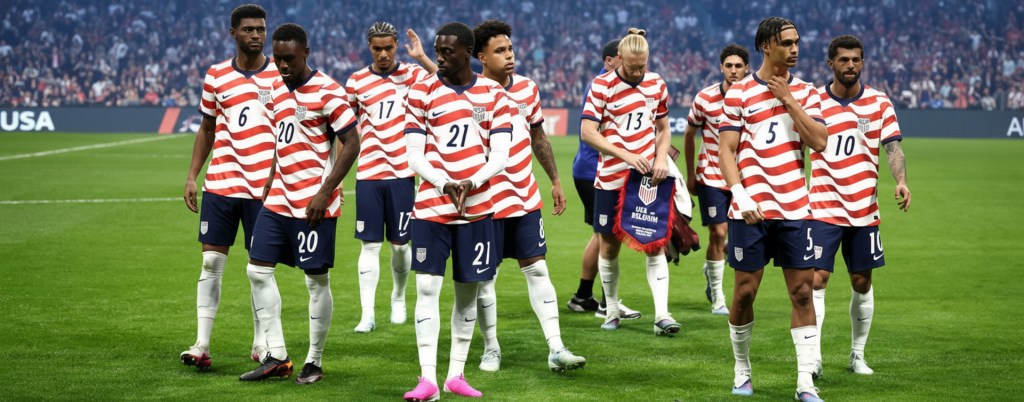
Understanding the USMNT’s Pre-World Cup Friendly Matches
As the 2026 FIFA World Cup approaches, the United States Men’s National Team (USMNT) has scheduled several friendly matches that many fans and analysts consider ‘meaningless.’ This has sparked a debate about the purpose and effectiveness of these games so close to the tournament. Why would the USMNT engage in friendlies that seem to lack competitive intensity or meaningful stakes, and how do these matches fit into the broader strategy of preparing for the World Cup?
The Context of Pre-World Cup Friendlies
Friendlies before major tournaments like the World Cup are traditionally used to finalize squad selections, test tactical setups, and build team chemistry. However, timing and opponent choice are critical. Playing competitive matches with high stakes allows teams to simulate the pressures of the World Cup, but sometimes schedules and availability lead to games that appear less consequential.
The USMNT’s Schedule and Choices
- The USMNT is set to play a series of friendlies, but none of these matches are part of a competitive tournament or qualifiers, which accounts for the perceived ‘meaninglessness.’
- These games provide coach opportunities to experiment with formations and player roles without the risk of losing qualifying positions or standing in tournaments.
- The quality of opponents, timing, and location of these friendlies can influence their competitiveness and perceived significance.
Strategic Benefits of Friendlies
Despite their apparent lack of importance, friendlies serve several strategic benefits:
- Player Evaluation: Coaches assess player fitness, form, and adaptability in a match setting.
- Building Team Chemistry: Players can better understand each other’s playing styles and build cohesion.
- Finalizing Tactics: Tactical concepts can be tested and refined without the pressure of competitive play.
- Psychological Preparation: Playing games offers players opportunities to manage stress and expectations.
Criticism and Counterpoints
Critics argue that friendlies so close to the World Cup may:
- Increase injury risk for key players.
- Lead to complacency or lack of competitive sharpness.
- Not adequately replicate the intensity of World Cup matches.
However, supporters maintain that these friendlies are vital for concepts and personnel to gel ahead of the tournament.
The Role of the Coaching Staff
Head coach and technical staff use these friendlies to experiment with new players, formations, and strategies. It’s a risk-management approach that balances the need to prepare thoroughly against preserving player availability and motivation.
Fan Perspective and Media Narratives
Fans often crave competitive, meaningful matches and may view friendlies as a wasted opportunity or dull. Media narratives sometimes exacerbate this by highlighting the ‘meaninglessness’ without fully explaining the broader preparation strategy.
Conclusion
The USMNT playing ‘meaningless’ friendlies before the 2026 World Cup is a strategic decision rooted in maximizing preparation while managing risk. Though they may lack stakes, these games provide invaluable opportunities for experimentation, fitness assessment, and team cohesion. For fans and critics, understanding the nuanced role of friendlies helps appreciate why they are integral to the path leading into one of the world’s biggest sporting events.
As the World Cup draws nearer, the focus will shift from friendlies to competitive matches where results truly matter, but these games remain essential stepping stones in building a team capable of success on soccer’s grandest stage.