


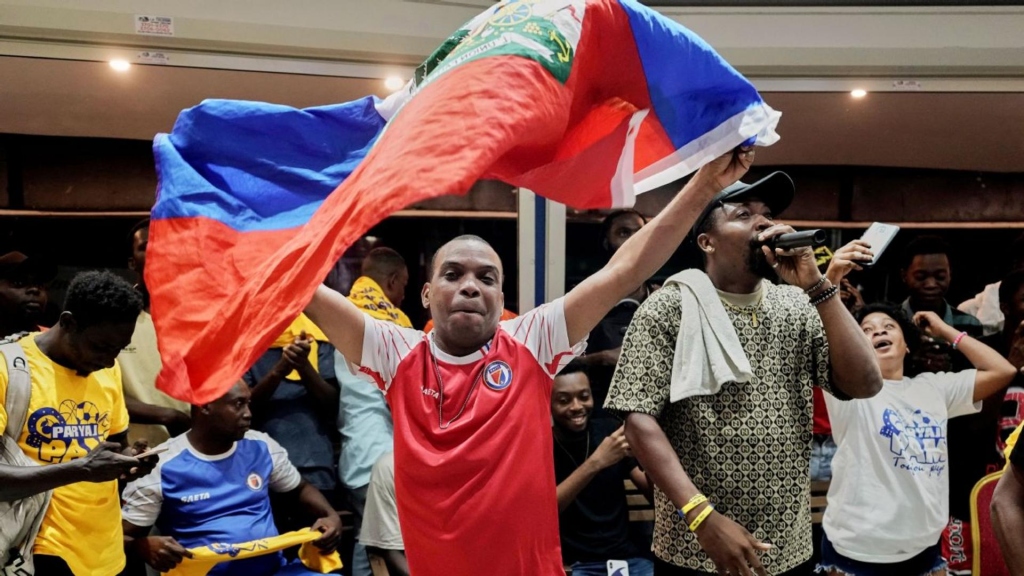
No respite for World Cup fans affected by Trump travel restrictions
The upcoming 2026 FIFA World Cup is set to be one of the most anticipated sporting events globally, especially as it will be co-hosted by the United States, Canada, and Mexico. However, fans from certain countries are already facing significant hurdles due to lingering travel restrictions initially implemented during the Trump administration.
Travel Visa Ban Impacting Fans from Haiti, Senegal, Ivory Coast, and Iran
The US government’s travel visa policies, including restrictions present in the so-called ‘travel ban’, continue to affect supporters from nations such as Haiti, Senegal, Ivory Coast, and Iran. Despite the excitement and preparations underway for the World Cup, fans from these countries are struggling to secure visas allowing entry into the United States, one of the key host nations.
This situation raises concerns about inclusivity and the ability for passionate football fans to experience the World Cup firsthand. The restrictions not only affect visitors but also have wider implications for cultural exchange and fan engagement on an international scale.
Historical Context and Challenges Ahead
These travel restrictions were introduced during former President Donald Trump’s tenure and aimed to limit entry from several predominantly Muslim and other specific countries, citing national security concerns. While some modifications and court rulings have altered the scope of these restrictions, several affected countries have yet to see a complete lifting of barriers.
With the World Cup fast approaching, the urgency to address visa processing delays and ensure equitable access for fans worldwide is intensifying. Fan groups and international organizations have voiced their calls for the administration to find solutions that prioritize the spirit of global sportsmanship and unity.
Implications for the 2026 World Cup
The travel ban complication jeopardizes not only fan attendance but also the overall atmosphere and experience of the World Cup games held across North America. The US Department of State has been urged to expedite and facilitate visa issuance for fans and delegations to prevent a fractured or diminished crowd dynamic, which is traditionally a hallmark of the World Cup celebration.
Furthermore, the issue spotlights the broader conversation on how immigration and travel policies intersect with international sporting events, which depend heavily on global participation and fan presence.
Looking Forward: Calls for Policy Reevaluation
Numerous advocacy groups, soccer federations, and political figures are pushing for a reconsideration of these travel policies to ensure that immigration restrictions do not undermine the spirit of the World Cup. They argue that the event represents a unique opportunity to promote unity, cultural sharing, and goodwill among nations.
As of early 2026, there has been some movement toward streamlining visa processes for World Cup attendees, but significant barriers remain, and many fans fear missing out on a once-in-a-lifetime experience due to geopolitical circumstances beyond their control.
Ultimately, the success and inclusiveness of the 2026 World Cup may depend on how effectively the host nations balance security policies with the welcoming of the world’s football community.
Image courtesy by www.espn.com