


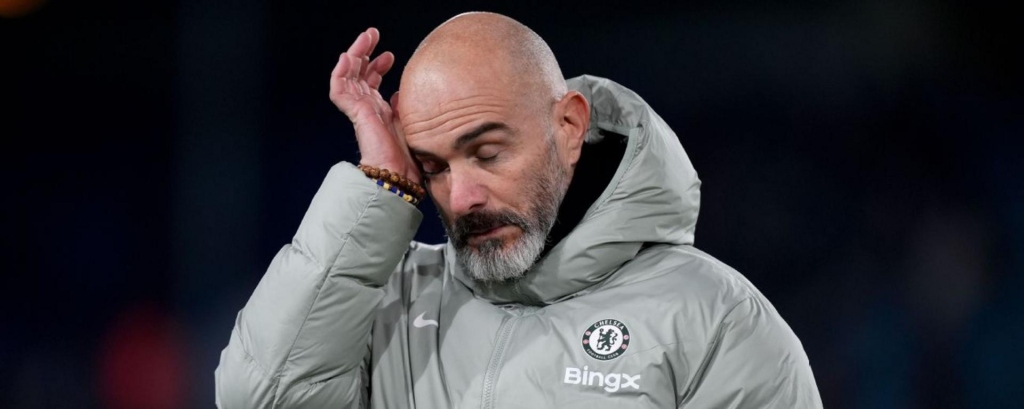
The Unexpected Departure of Pep Maresca from Chelsea
Pep Maresca’s tenure at Chelsea was brief but certainly eventful, spanning only six months after leading a team to the pinnacle of world football as world champions. His sudden exit from one of Europe’s most prestigious clubs raised many eyebrows among fans, analysts, and insiders alike. In this article, we delve deep into the reasons behind Maresca’s departure from Chelsea, exploring the challenges he faced, the internal dynamics at the club, and what this means for both Maresca’s career and Chelsea’s future.
From Triumph to Turmoil: The Rise and Fall at Stamford Bridge
Maresca joined Chelsea with high expectations following his remarkable success in international football. He was celebrated for his tactical acumen and ability to manage high-profile players effectively. However, despite initial optimism, cracks began to appear within the club’s structure and approach. The shift from being world champions to struggling for coherence on the pitch unfolded rapidly under Maresca’s leadership.
One core issue was aligning Maresca’s football philosophy with Chelsea’s existing squad and management expectations. There were reported disagreements on transfer policies and tactical directions, which created friction behind closed doors. Moreover, the pressure from fans and media scrutiny only intensified the situation when the desired results were not immediate. This environment ultimately led to a mutual agreement for Maresca to part ways with Chelsea.
Key Factors Leading to Maresca’s Exit
- Clash of Philosophies: Maresca’s progressive and player-centric style contrasted with the club’s evolving vision, causing strategic conflicts.
- Transfer Policy Disagreements: Lack of alignment on player acquisitions and squad development weakened Maresca’s control and planning.
- Media and Fan Pressure: High expectations from Chelsea supporters and relentless media speculation added pressure on Maresca’s brief tenure.
- Internal Management Dynamics: Inconsistent support from upper management and coaching staff contributed to instability within the team.
Impact on Chelsea and Maresca’s Prospects
The departure of Maresca marks a turning point for Chelsea as they seek to rebuild and regain their position at the top of English and European football. The club now faces the challenge of finding a manager who can harmonize the ambitious vision with the squad’s capabilities and the club’s culture. As for Maresca, although his stint was short-lived, his reputation as a World Cup-winning coach remains intact. Many believe that with the right environment and time, he can replicate his success in club football.
In summary, Maresca’s exit from Chelsea after only six months was the result of a complex interplay of unrealistic expectations, philosophical differences, and external pressures. While the results on the pitch were mixed, the experience highlights the demanding nature of managing a club with Chelsea’s stature and ambitions.
Looking Ahead
Both Chelsea and Maresca must now regroup and reassess their strategies moving forward. This episode serves as a reminder of the intricate balance required at the highest levels of football management, where success is not solely defined by past achievements but also by adaptability, unity, and shared vision.
Fans and analysts will be watching closely to see how Chelsea rebuilds and whether Maresca returns to club management anytime soon, possibly bringing his world champion experience back into the fold at a future date.
Image courtesy by www.espn.com