
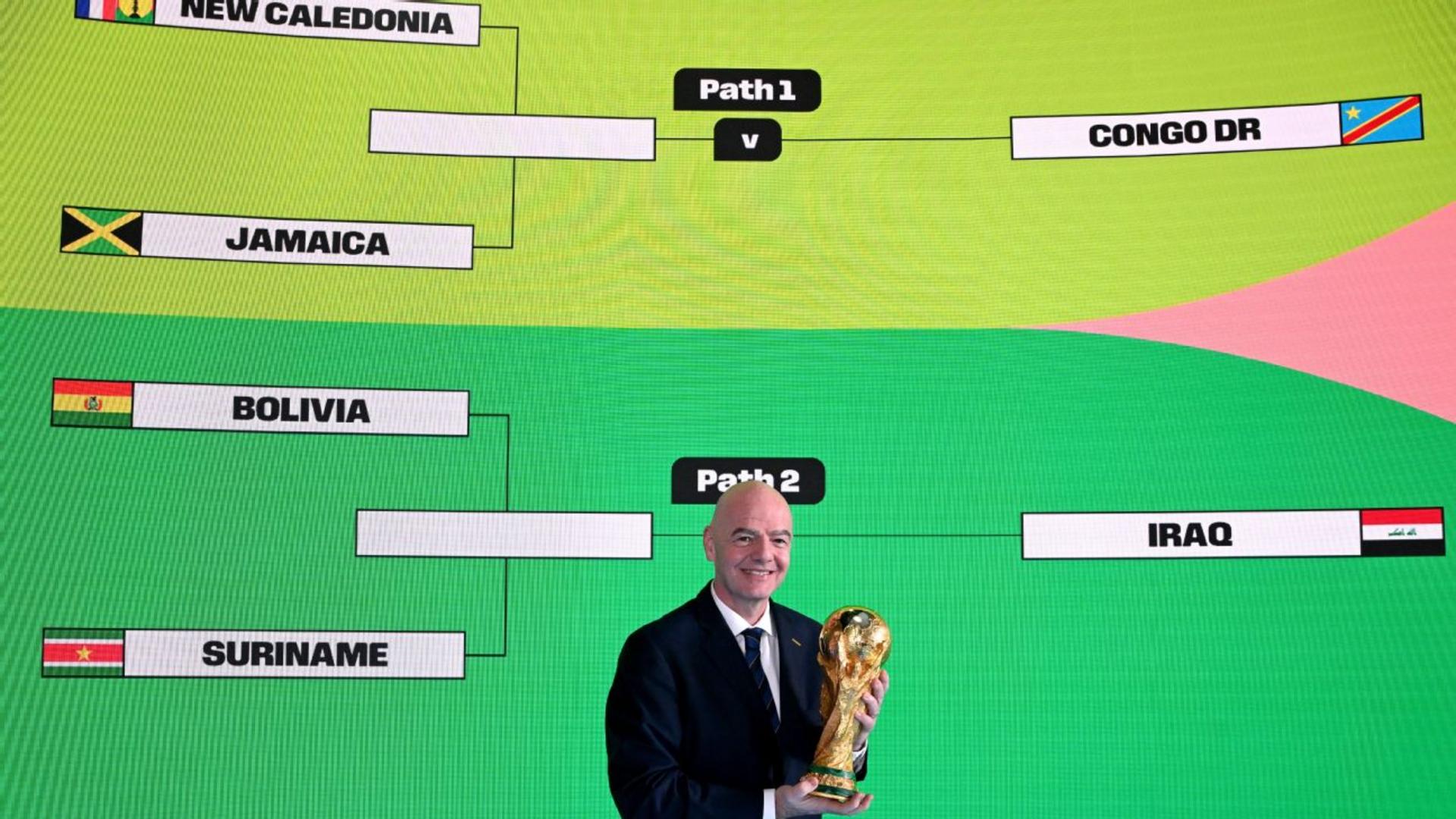
Understanding the 2026 World Cup Draw: Everything You Need to Know
The countdown to the 2026 FIFA World Cup is well underway, and one of the most anticipated events leading up to the tournament is the official World Cup draw. Scheduled to take place ahead of the tournament, the draw will set the stage for the competition by determining the group stage matchups among the 48 qualified teams. But how exactly does the draw work, what decisions will be made during it, and what impact will it have on the tournament? Let’s take a comprehensive look.
What is the World Cup Draw?
The World Cup draw is the process where the qualified national teams are placed into groups for the initial stage of the tournament. For 2026, the tournament format has expanded to include 48 teams, divided into 16 groups of 3 teams each. This is a change from the 32-team World Cups of previous years.
When and Where Is the 2026 World Cup Draw?
The draw is traditionally held a few months before the tournament starts, allowing teams to prepare for their upcoming opponents. While the exact date is announced by FIFA, for 2026, the draw is expected to take place in early 2026. The venue has yet to be officially confirmed, but it may occur in one of the host countries: the United States, Canada, or Mexico.
How Does the Draw Format Work?
- Teams are seeded and placed into pots based on FIFA rankings and continental qualification zones.
- There will be 16 groups, each containing 3 teams.
- Each group will consist of teams allocated to avoid regional conflicts according to FIFA’s rules, ensuring diverse groupings.
- After groups are decided, the schedule and match order are announced.
Seeding and Pot Allocations
FIFA uses the latest world rankings and results to seed the teams, grouping the strongest teams in Pot 1, and so forth. The host nations are automatically seeded in Pot 1. The allocation helps balance the groups so that strong teams do not face each other in the initial stage.
What Will the Draw Decide?
- The specific teams each national team will face in the group stage.
- The order of matches within each group.
- The venues and dates for each group stage match, coordinated with the stadium locations across the host countries.
Impact of the 2026 Draw on Teams and Fans
The draw influences team strategies, as knowing the opponents early helps in preparation and game planning. For fans, it builds excitement and speculation as they analyze which groups are the toughest and which teams have a comparatively easier path.
Additional Changes in the 2026 World Cup Format
Besides the expanded field of 48 teams, the tournament’s group stage format is also different. Instead of 4-team groups, the 3-team groups mean fewer group stage matches, and the top two teams will advance to the knockout rounds. This format aims to maintain competitive intensity and reduce dead rubber games.
Conclusion
The 2026 World Cup draw is a pivotal event that sets the framework for the tournament. Understanding how it works helps fans appreciate the complexity and excitement that comes with seeing the groups unfold. As the global football community eagerly awaits the draw, anticipation continues to build toward what promises to be a landmark World Cup.
Image courtesy by www.espn.com