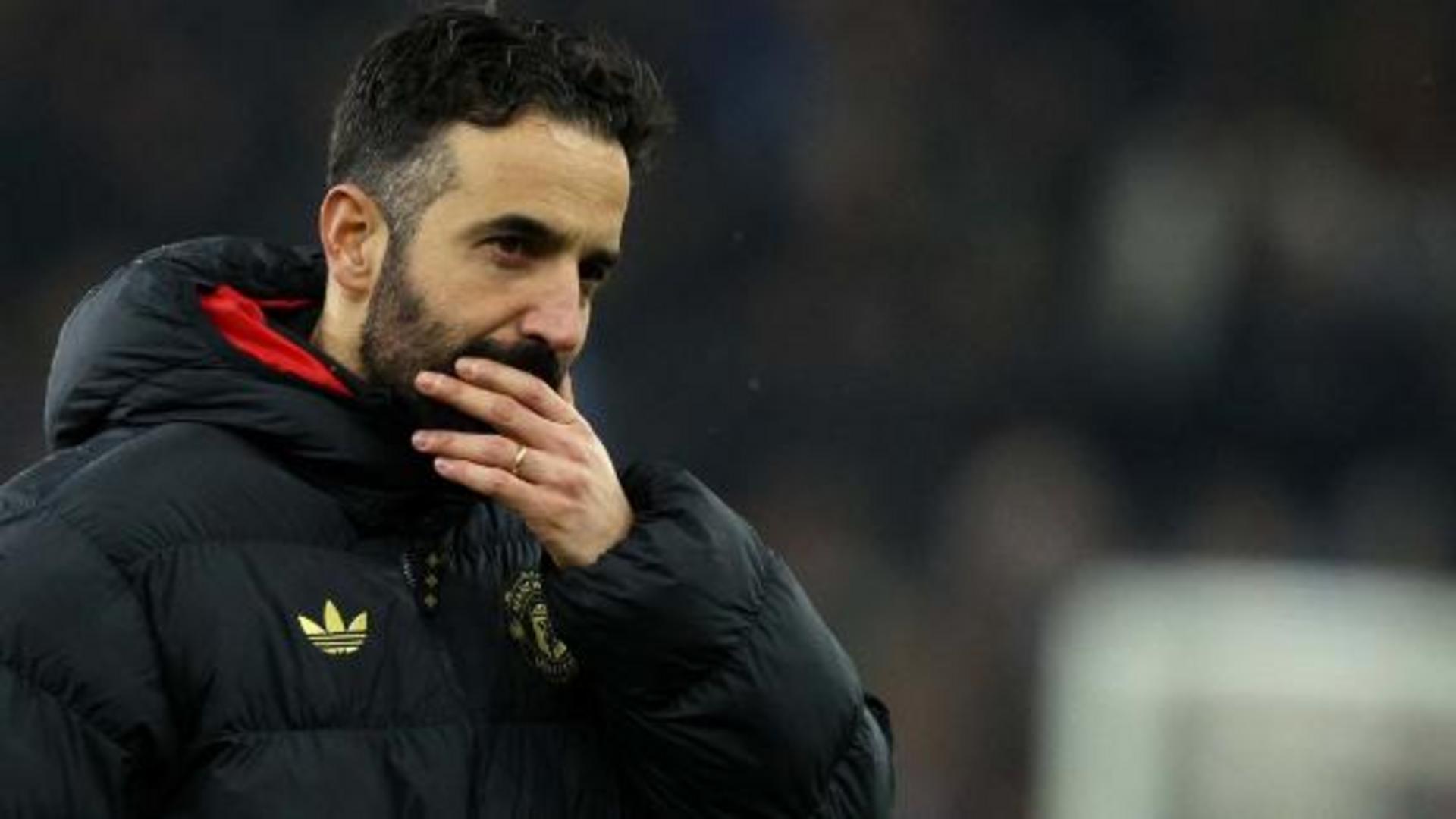
Why Man United sacked Amorim: An In-Depth Analysis
Manchester United’s decision to part ways with Ruben Amorim as their head coach has sent shockwaves through the football community. The Portuguese manager’s tenure was marked by a mix of tactical experimentation, behind-the-scenes player issues, and growing frustration surrounding the club’s transfer strategies. This article delves deep into the core reasons that culminated in his dismissal, touching upon the nuances of his tactical approach, the squad dynamics, and the challenges the club faced off the pitch.
Tactical Challenges and Style
Amorim arrived at Old Trafford with a reputation for fostering aggressive, high-pressing football. However, his approach struggled to integrate effectively with the squad at hand. While his intentions were to implement a proactive system, the players often appeared out of sync, leading to inconsistent performances. His tactical schemes frequently fluctuated between a 3-4-3 and a 4-2-3-1, which added confusion rather than clarity. Analysts observed that Manchester United lacked cohesion under his system, with structural defensive vulnerabilities and a lack of fluid attacking transitions.
Moreover, key areas such as set pieces and in-game adjustments were often lacking, leaving fans and pundits questioning the tactical acumen displayed in crucial matches. The inability to sustain pressure in the latter stages of games saw the team drop valuable points, eroding confidence in Amorim’s methods.
Player Issues and Dressing Room Dynamics
Beyond tactics, Amorim faced significant challenges managing the dressing room. Reports suggested a growing disconnect between the manager and some senior players who were not receptive to the Portuguese’s demands. This strained relationship potentially destabilized the team’s morale and unity. There were rumors of certain influential players resisting changes in training routines or tactical roles.
In addition, younger talents who were expected to flourish under Amorim’s regime found themselves marginalized or inconsistently used, which added to internal friction. The manager struggled to balance the expectations of the star players with his vision for a cohesive unit, inadvertently fostering tension that ultimately affected on-field performances.
Transfer Frustrations and Off-Pitch Complications
Another critical factor behind Amarim’s departure was frustration stemming from transfer dealings. The club’s management and scouting department reportedly failed to secure key targets that Amorim identified to reinforce weak areas within the squad. This left the team short-handed, resulting in limited tactical options and increased pressure on existing players.
Financial prudence and transfer policy disagreements further complicated matters. Amorim’s ambitions to bring in dynamic, younger talent contrasted with a more conservative approach adopted by the board, leading to a disconnect between coaching needs and recruitment outcomes. This misalignment significantly hindered Amorim’s ability to implement his desired playing style effectively.
Conclusion: A Cautionary Tale for Manchester United
Ruben Amorim’s stint as Manchester United manager serves as a cautionary story about the complexities of modern football management at a top club. Tactical mismatches, player-manager conflicts, and off-pitch transfer frustrations converged to undermine his position. The club now faces the task of rebuilding not only its squad but also restoring harmony and strategic clarity in pursuit of future success.
As United moves forward, learning from the issues encountered during Amorim’s tenure will be essential in shaping a lasting and prosperous future for the Red Devils.
Image courtesy by www.espn.com