UEFA Charges Chelsea’s Neto for Shoving PSG Ball Boy
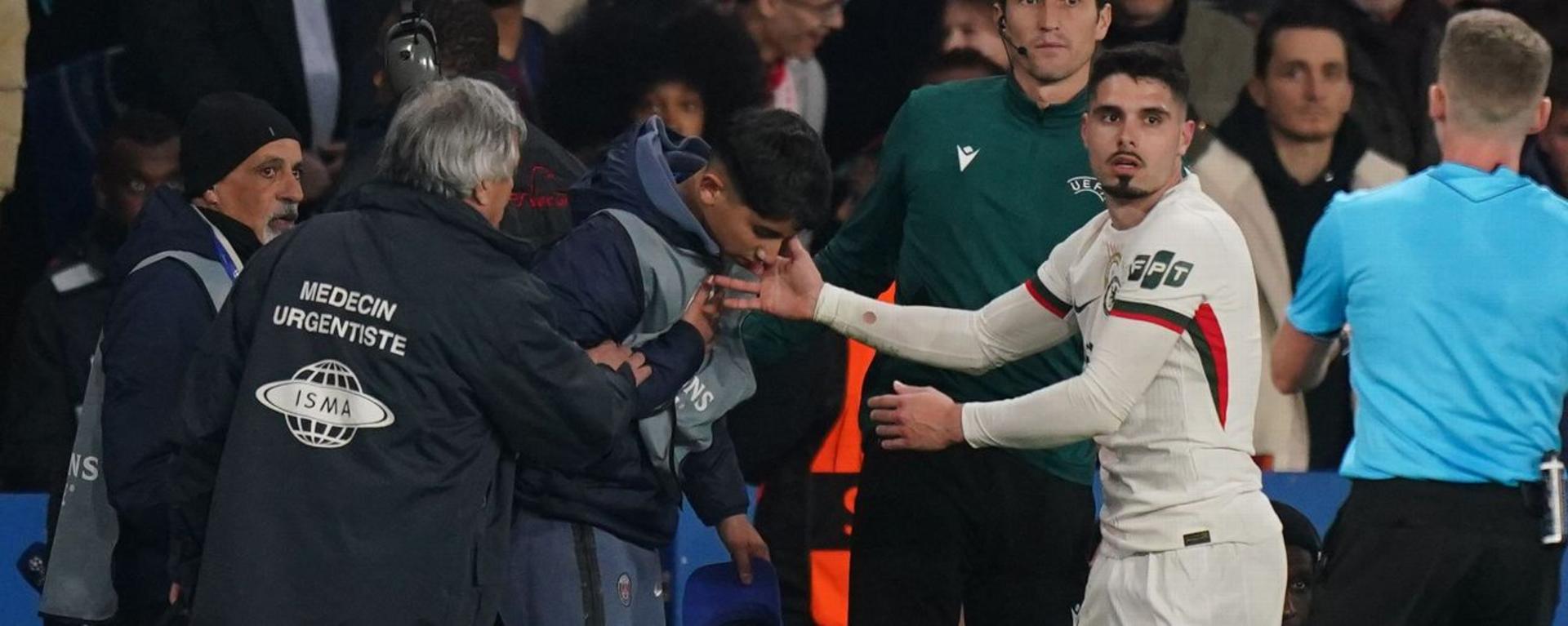
In a controversial incident that has stirred much debate in the world of football, UEFA has officially charged Chelsea’s Pedro Neto for shoving a ball boy during a recent Champions League match against Paris Saint-Germain (PSG). The incident took place during a heated moment in the game, garnering widespread attention from fans, analysts, and officials alike.
According to reports, the altercation occurred after a ball boy delayed returning the ball to Chelsea players, causing visible frustration for Pedro Neto. The Chelsea winger was caught on camera shoving the ball boy in an attempt to quickly retrieve the ball and resume play. UEFA has since reviewed video footage and launched an investigation into the incident.
The governing body has charged Neto under Article 61 of the UEFA Disciplinary Regulations, which covers ‘physical assault on a match official or any person participating in a UEFA competition.’ This charge could lead to significant disciplinary actions, including suspensions or fines, depending on the outcome of UEFA’s investigation and subsequent hearing.
Match Context and Reactions
The Champions League clash between Chelsea and PSG was intense and highly competitive, with both teams vying for a crucial win to advance further in the tournament. Tensions ran high on the pitch, culminating in the incident involving Neto and the ball boy.
Chelsea manager expressed his disappointment, emphasizing the importance of sportsmanship and respect on the field. Meanwhile, some fans and pundits have debated whether the reaction was justified due to the ball boy’s delay or whether Neto should have maintained composure regardless of the circumstances.
Potential Implications for Chelsea and Neto
If found guilty, Neto could face a ban of multiple games, which would be a setback for Chelsea as they rely on his pace and creativity on the wing. The club is expected to cooperate fully with UEFA and prepare a defense on behalf of their player.
The incident also raises questions about the conduct of ball boys and their role in maintaining the flow of the game without provoking players or influencing play. UEFA may consider issuing new guidelines or training for match officials and support staff to avoid similar incidents in the future.
What UEFA’s Decision Could Mean for the Game
The case highlights the ever-increasing scrutiny players face on and off the ball. With cameras everywhere, every action is subject to review and potential sanction. UEFA’s handling of this incident will send a strong message about acceptable behavior standards and the respect owed to all individuals involved in the sport.
Fans await the outcome of the disciplinary hearing, hoping for fair treatment that balances strict adherence to rules with an understanding of the high-pressure environment professional players operate within.
Stay tuned as we continue to update on this developing story.
Image courtesy by www.espn.com