
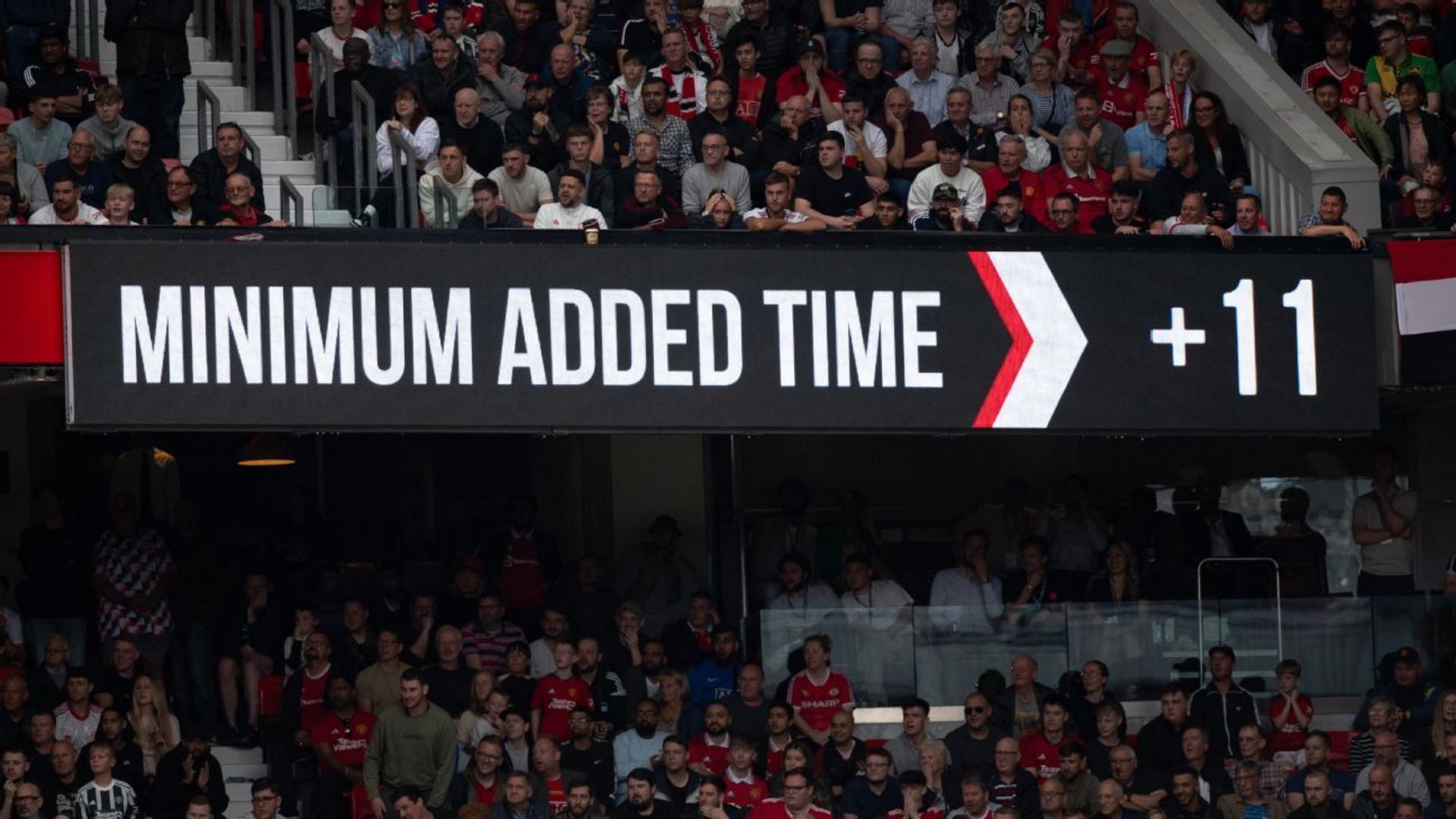
Premier League’s Stoppage-Time Goal Glut: A Game-Changing Trend
The Premier League has witnessed an unprecedented surge in stoppage-time goals this season, captivating fans and analysts alike. This phenomenon, characterized by decisive goals scored after the regulation 90 minutes plus added injury time, is reshaping how teams approach the closing stages of their matches and influencing the overall dynamics of the league.
According to recent statistics and expert commentary, more goals are being netted in stoppage time than at any point in Premier League history. This trend raises pressing questions about why these last-minute bursts of scoring have become so prevalent and what implications they have for teams, managers, and supporters.
Understanding the Stoppage-Time Goal Increase
Several factors contribute to this spike in stoppage-time goals. First, the intensity and competitiveness of the league mean that matches are often closely contested, with teams pushing hard until the final whistle. Players are conditioned to maintain focus and energy levels in the dying minutes, often exploiting the opposition’s fatigue.
Second, modern tactical approaches emphasize pressing and attacking play even in the waning moments. Managers encourage their squads to remain aggressive and take risks to secure crucial points, especially in tight league tables where every goal counts.
Moreover, advancements in injury time calculation protocols and increased stoppages during games have extended the actual playing time, providing more opportunities for late goals. VAR reviews, substitutions, injuries, and time-wasting tactics contribute to lengthier added time, further increasing the chance for dramatic endings.
Impact on Team Strategies and Fan Experience
The surge in stoppage-time goals has led teams to adapt their strategies. Some adopt a more defensive posture aiming to preserve results through regulated defensive structures while others opt to press aggressively, hoping to capitalize on opponents’ vulnerabilities.
This shift influences substitutions as well, with managers often introducing fresh attackers or creative players in the final minutes to spark decisive moments. The heightening drama enhances the viewing experience, deepening fan engagement and emotional investment as matches remain alive until the very end.
Statistical Highlights and Noteworthy Matches
Statistics reveal that the percentage of goals scored after the 90th minute in recent Premier League matches has surged by over 20% compared to previous seasons. Notable matches featuring stunning stoppage-time goals have also become headlines, with game-winners and equalizers shifting league standings dramatically.
These thrilling conclusions underscore football’s unpredictability and the importance of perseverance, inspiring players and supporters alike.
Expert Opinions and Future Outlook
Experts suggest that the current stoppage-time goal trend may persist or even intensify as teams continue to evolve tactically and physically. The Premier League’s high competitive zone keeps pushing the boundaries, making late goals a consistent feature of the season’s narrative.
However, concerns regarding fair play timing and the calculation consistency of added minutes have also been raised. Discussions around standardizing injury time or introducing revised regulations might emerge as the league seeks to balance excitement with fairness.
Conclusion
The glut of stoppage-time goals in the Premier League reflects the league’s dynamic nature and continuing evolution. It highlights the resilience, tactical sophistication, and entertainment value football offers at its highest level. As the season progresses, this phenomenon will remain a focal point for fans, pundits, and participants eager to witness and understand the drama unfolding in those final, precious moments.
Image courtesy by www.espn.com