
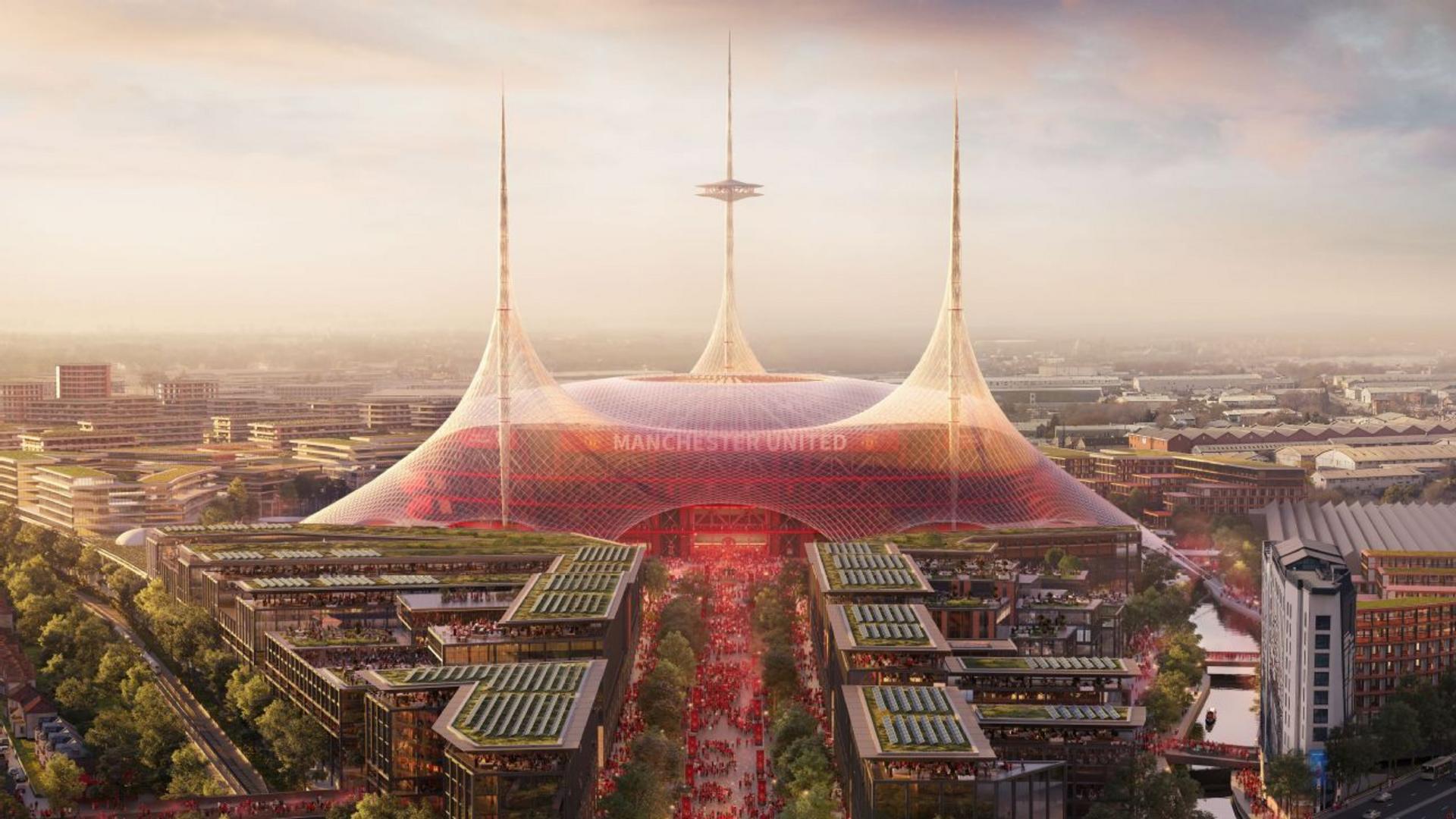
Manchester United Anticipates New Stadium Opening by 2032
Manchester United are optimistic about the opening of their new stadium within the next six years, aiming for a 2032 completion. This significant development stems from the club’s ambition to modernize and expand its facilities, ensuring a state-of-the-art experience for fans and players alike.
Background and Motivation
Old Trafford, the iconic home of Man Utd since 1910, has long been regarded as one of the most evocative football stadiums worldwide. However, with changing demands and increasing attendance, Manchester United management has identified the necessity to upgrade to a new stadium that can better accommodate future growth and provide enhanced facilities.
The current stadium faces certain limitations in terms of expansion possibilities and modern amenities. The new stadium is expected to address these issues by incorporating cutting-edge technology, increased capacity, and improved fan engagement spaces.
Project Timeline and Development
Club officials and architects have outlined a comprehensive plan that projects the stadium’s completion within six years, targeting an opening date in 2032. This timeline accounts for design finalizations, securing all required planning approvals, groundworks, and subsequent construction phases.
Manchester United’s management has expressed confidence that this timeline is realistic provided there are no significant external delays related to regulatory processes or funding.
Location and Capacity Details
The new stadium is anticipated to be located in or around the Greater Manchester region, maintaining accessibility for fans and preserving the club’s local heritage. The proposed capacity is expected to exceed the current 74,000 seats at Old Trafford, offering more room for supporters and potential new revenue streams via premium seating and hospitality areas.
Club Officials’ Vision
Ed Woodward, Executive Vice-Chairman, emphasized the move’s importance, stating that the new stadium will be a catalyst for further success both on and off the pitch. The club plans to leverage the stadium’s enhanced facilities to provide a best-in-class experience for fans and players, as well as foster community engagement initiatives.
Potential Challenges
Like any massive infrastructure project, the stadium development faces several challenges, including securing necessary permits, managing environmental concerns, and coordinating with local authorities. However, Manchester United is actively engaging stakeholders to navigate these obstacles efficiently.
Fan and Community Reaction
The club has engaged with supporters to gauge their perspectives and incorporate fan feedback into the stadium design. The community surrounding the current stadium has shown a mix of nostalgia and anticipation, understanding the need for progress while cherishing the club’s historic home.
Conclusion
Manchester United’s plan to open a new stadium within six years represents a pivotal moment in the club’s evolution. It aligns with the ambition to sustain competitive edge, increase commercial opportunities, and deliver an unparalleled matchday experience. Fans worldwide await more updates as the project advances towards realization in 2032.
Image courtesy by www.espn.com