Italy’s Soccer President Resigns Following Third Consecutive World Cup Miss
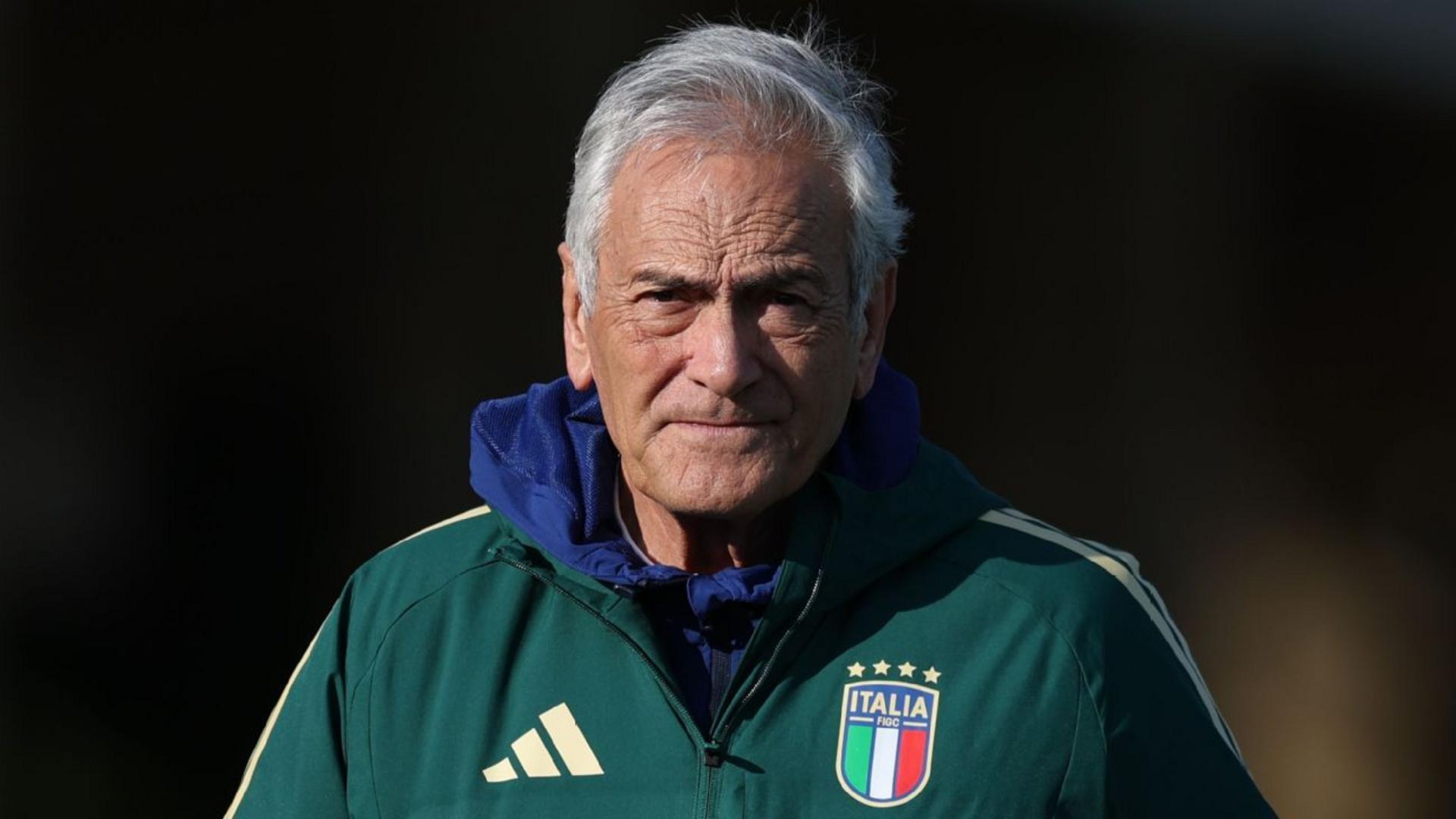
The Italian Football Federation (FIGC) is facing a significant period of transition after its president, Gabriele Gravina, stepped down following Italy’s failure to qualify for the FIFA World Cup for the third consecutive time. This unexpected resignation sends shockwaves through the Italian soccer community, which prides itself on a rich footballing heritage and a history of World Cup success.
Background: Italy’s Struggles on the World Stage
- Italy, a four-time World Cup champion, is known globally for its strong defensive tactics and passionate football culture.
- The national team’s failure to qualify for the FIFA World Cup in 2018 was a massive blow to supporters, and the shock repeated with the same outcome for the next World Cup cycle, underlining deep-rooted issues within the sport’s national leadership and development programs.
- Gabriele Gravina, who had been at the helm of FIGC, was viewed as a reformer aiming to revitalize Italian football but could not halt the decline in results on the international stage.
Details on Gravina’s Resignation
- Gravina announced his resignation shortly after Italy’s final failed attempt to qualify for the upcoming World Cup, expressing his disappointment and accepting responsibility for the setbacks.
- His departure marks the end of his tenure, in which he attempted to implement structural reforms, promote youth development, and modernize Italian football’s approach domestically and internationally.
- The announcement also coincided with other high-profile changes, including the departure of veteran goalkeeper Gianluigi Buffon from his role, symbolizing a broader era coming to a close.
Implications for the Future of Italian Soccer
The resignation highlights the urgent need for a comprehensive overhaul of Italian football’s governance and strategic vision. Key concerns include:
- Revamping youth academies to nurture talent more effectively and align with contemporary footballing standards.
- Improving coaching standards and investing in innovative training methodologies.
- Reevaluating the leadership and administrative structures within the FIGC to prevent recurrence of national team failures.
Italian soccer faces a crossroads. The federation must now seek a successor who can unite stakeholders and restore Italy’s stature on the global stage, rebuilding a team capable of competing at the highest levels once again.
Community and Public Reaction
Fans and commentators across Italy expressed a mixture of disappointment and hope. While frustration with recent performances is palpable, there is a shared optimism that new leadership could spark a revival. Prominent figures in Italian football have called for patience and cooperation during this rebuilding phase.
Conclusion
Gabriele Gravina’s resignation serves as a stark reminder of the challenges facing Italian soccer, but also as an opportunity to initiate meaningful change. The task ahead is daunting: restoring Italy’s football prestige will require vision, unity, and determination from all involved in the sport.
Image courtesy by www.espn.com