German Official Calls for World Cup Boycott Talks
In a bold and controversial move, a prominent German soccer federation official has publicly called for serious discussions regarding the potential boycott of the upcoming FIFA World Cup. This announcement surfaces amid heightened global tensions and ongoing debates over the political implications surrounding the tournament’s host nations and organizational decisions.
Context Behind the Call
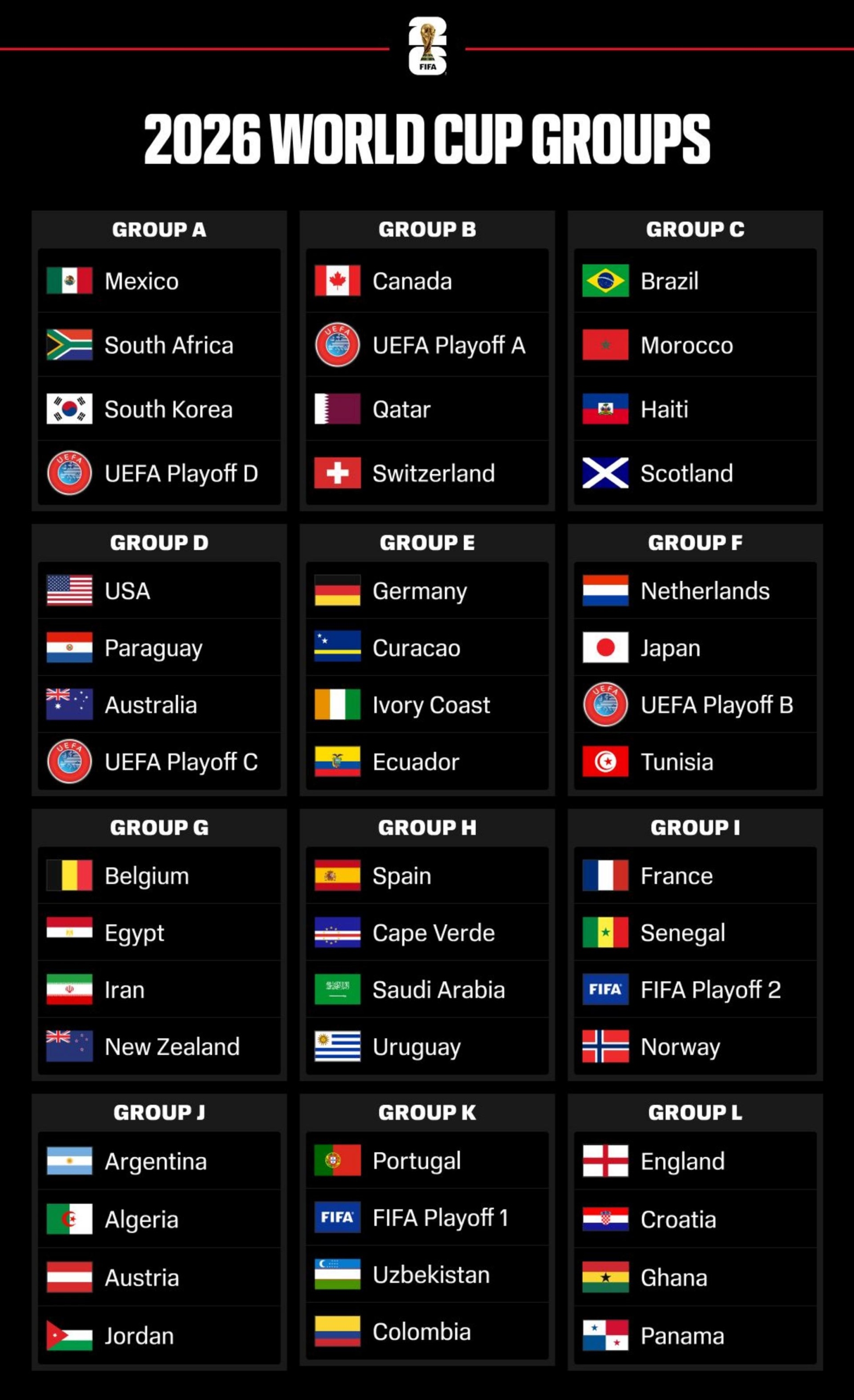
The statement was made recently as Germany prepares for the 2026 FIFA World Cup, a tournament that promises to be one of the largest and most widely watched sporting events in history. This call for boycott talks comes at a time when political disputes, including those involving prominent world leaders, have increasingly influenced the global sporting landscape.
Reasons for the Boycott Consideration
-
Political Concerns: Relations between certain nations and controversies involving world leaders, including former U.S. President Donald Trump, have prompted questions about the appropriateness of participation.
-
Human Rights Issues: Ongoing scrutiny over hosting nations’ human rights records and the treatment of migrant workers involved in stadium construction and event preparations plays a significant role in the discussions.
-
Sports Integrity: Calls for transparency and fairness in how FIFA selects hosts and manages the tournament have led to demands for accountability.
The German Soccer Federation’s Position
The official emphasized that while Germany traditionally participates in FIFA World Cups without hesitation, the current situation requires a thorough evaluation of political and ethical implications. The proposal is to hold talks with government officials, FIFA representatives, and other stakeholders to assess the feasibility and consequences of a boycott or alternative measures.
Global Reactions and Implications
This announcement has ignited a diverse range of reactions worldwide. Some see the move as a principled stand for human rights and political accountability, while others view it as overly politicizing a sport that often transcends political boundaries. The discussions sparked by this call could influence other nations’ decisions and potentially disrupt traditional participation norms.
Looking Ahead
As the world approaches the 2026 World Cup, the soccer community will be closely watching how Germany and other influential football nations respond. The ongoing discourse underscores the complex intersection of sports, politics, and global governance in the modern era.
For continuous updates, fans and observers can expect more information as talks develop and official statements follow in the coming months.
Image courtesy by www.espn.com