Foxborough World Cup Fund Gap Persists After FIFA Talks
The ongoing dispute over funding for the Foxborough venue in the upcoming FIFA World Cup remains unresolved, despite recent high-level discussions involving FIFA officials and U.S. soccer authorities. With just months remaining until the tournament, funding gaps threaten to jeopardize critical infrastructure and organizational preparations needed to host the global event smoothly.
Key stakeholders met in an intense session earlier this week aiming to break the deadlock over financial contributions necessary to upgrade Foxborough’s stadium and surrounding facilities. FIFA representatives reaffirmed their commitment to supporting all host cities but emphasized the importance of transparent funding mechanisms and fiscal responsibility.
Background of the Funding Controversy
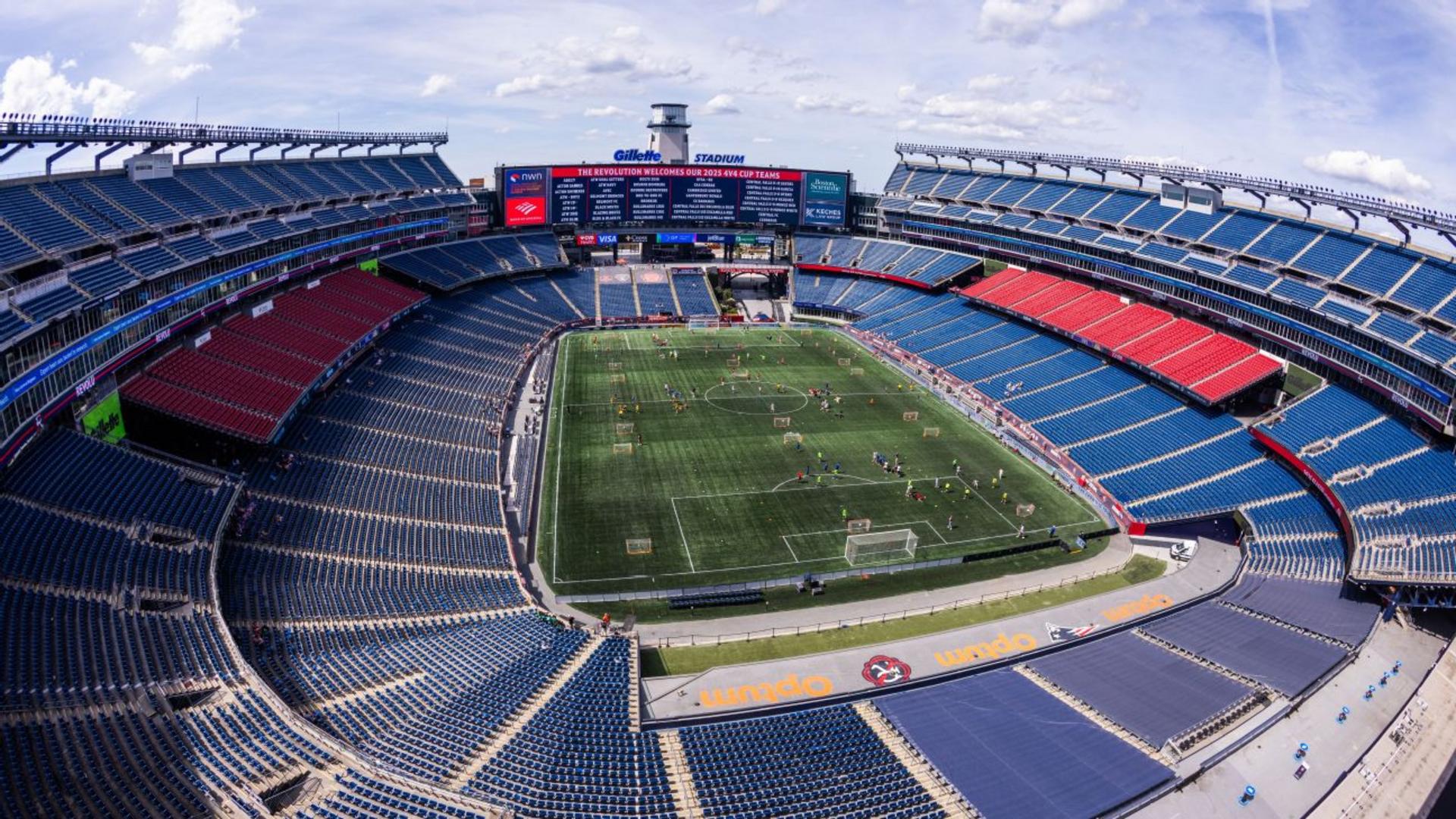
Foxborough, Massachusetts, home to Gillette Stadium, has been a pivotal venue choice for the 2026 FIFA World Cup matches hosted in the United States. However, negotiations over budget allocations have been strained due to disputes about who should bear the costs of extensive renovations.
Local government officials have expressed concerns about potential taxpayer burdens, while FIFA and U.S. Soccer have highlighted the global exposure and economic benefits the World Cup would generate for the region. Despite shared enthusiasm for hosting, the lack of a financial agreement has created tension and uncertainty among all parties involved.
Details from Recent FIFA Delegation Meeting
The U.S. Soccer Federation hosted FIFA delegates in Foxborough as part of ongoing talks to close the funding gap. Discussions focused on identifying shortfalls, reviewing budget proposals, and assessing the impact of delays on project timelines. FIFA insisted that without a swift resolution, the ability to meet FIFA’s stringent stadium standards could be at risk.
While some progress was reportedly made on administrative coordination, the core issue of who would cover cost overruns and long-term infrastructure investments remains contentious. Local leaders requested additional assurances and risk mitigation strategies before committing new funds, signaling that agreement is still some distance away.
Potential Consequences of the Dispute
- Delay in critical renovations of Gillette Stadium, including seating expansions, security enhancements, and technology upgrades needed for FIFA certification.
- Negative perceptions internationally about the United States’ ability to organize the World Cup, potentially impacting future bids.
- Financial uncertainties might affect related investments in transport, hospitality, and tourism infrastructure in the Foxborough region.
- Risk of diminished fan experience and operational challenges during the tournament.
Statements from Key Figures
FIFA’s local representative stressed the importance of collaboration: “The World Cup is a global celebration and bringing it to Foxborough requires unified efforts and shared responsibility. We remain hopeful resolutions will be found to meet the high standards expected worldwide.”
Meanwhile, a spokesperson from the Foxborough city council highlighted fiscal prudence: “We support hosting the World Cup but must ensure that local taxpayers are protected and investments provide lasting benefits.”
The Way Forward
Both sides have agreed to continue negotiations with involvement from federal and state agencies to explore alternative funding models, including public-private partnerships and targeted sponsorship deals. Time is critical, and follow-up meetings are scheduled in the coming weeks to finalize arrangements and keep preparations on track.
As the clock ticks down to the 2026 FIFA World Cup, the resolution of the Foxborough funding dispute remains crucial to guarantee that the venue meets all required standards and delivers an unforgettable experience for fans and players alike.
Image courtesy by www.espn.com