FIFA Rejects Nigeria’s Protest Over World Cup Playoff Spot
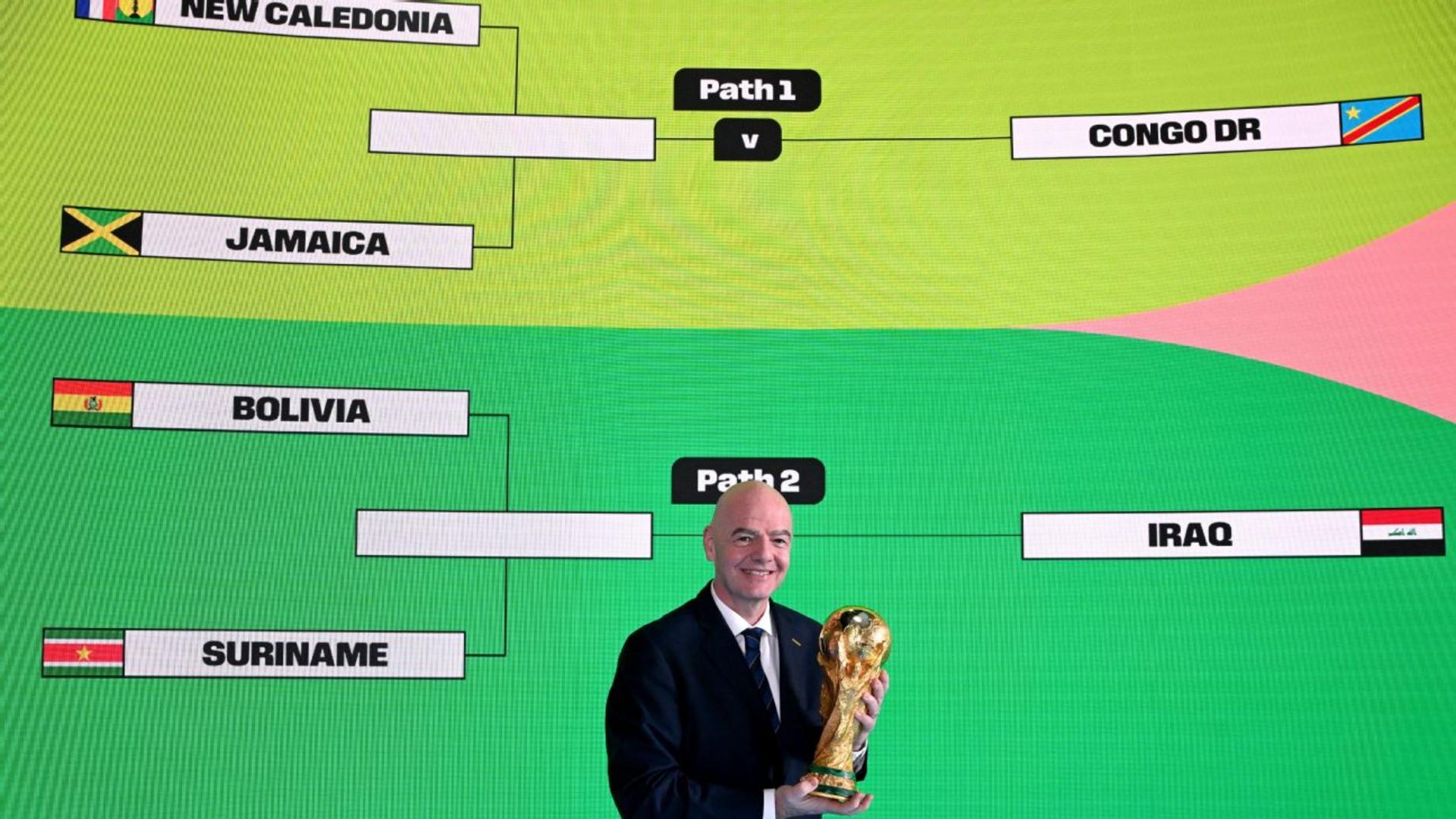
In a significant decision impacting the 2026 FIFA World Cup qualifying rounds, FIFA has officially rejected a protest lodged by the Nigerian Football Federation (NFF) concerning the eligibility of two dual-national players fielded by the Democratic Republic of Congo (DR Congo) during their crucial playoff matches.
Background of the Protest
Nigeria’s football authorities challenged the participation of two Congolese players alleging they were ineligible to represent DR Congo under FIFA’s nationality and eligibility regulations. The NFF argued that the players had not met the criteria necessary to switch football nationality, thereby giving DR Congo an unfair advantage in the playoff fixtures. This protest arose after Nigeria narrowly missed direct qualification, leading to heightened tensions and scrutiny over player eligibility rules.
FIFA’s Examination and Ruling
FIFA’s adjudicatory bodies carefully investigated the claims, reviewing relevant documentation and eligibility criteria, including prior international appearances, nationality status, and compliance with FIFA’s statutes on player eligibility. After thorough consideration, FIFA concluded that the players in question complied with all eligibility rules and that their participation was legitimate.
The ruling ultimately upheld DR Congo’s results in the playoff matches, confirming their qualification path towards the 2026 FIFA World Cup. This decision signifies FIFA’s commitment to preserving the integrity of the competition while adhering strictly to established regulations.
Implications for Nigeria and the Wider African Football Context
The rejection of Nigeria’s protest represents a setback for the NFF’s efforts to contest the playoff outcomes. It also underscores the complexities national teams face when managing dual-national players in an increasingly globalized football environment, where nationality switches and eligibility matters can decisively influence team compositions and competitive fairness.
For Nigerian football fans and stakeholders, the decision reinforces the importance of focusing on on-field performance amidst stringent qualification contests. Meanwhile, for DR Congo, the confirmation of their players’ eligibility bolsters their position as they move forward in the World Cup qualification process.
Looking Ahead
With FIFA’s decision now final, both national teams are preparing for upcoming fixtures and planning their next steps for the World Cup journey. Nigeria will likely review its strategies and talent management to enhance future qualifying campaigns, while DR Congo will build upon the momentum gained from this favorable ruling.
The case also highlights how football federations must remain vigilant in understanding FIFA’s legal frameworks to avoid missteps pertaining to player selection and eligibility.
Summary
- FIFA dismissed Nigeria’s protest over two Congolese dual-national players.
- The players were deemed eligible under FIFA regulations.
- The ruling affirmed DR Congo’s playoff match results and World Cup qualifying status.
- The decision reflects challenges of nationality and eligibility in international football.
- Both Nigeria and DR Congo proceed with preparations for the World Cup qualifiers.
Image courtesy by www.espn.com