Egypt and Iran Complain About World Cup ‘Pride’ Match in Seattle
During the 2026 FIFA World Cup qualifying match hosted in Seattle, Washington, contention arose as both Egypt and Iran lodged formal complaints regarding the event’s association with LGBTQ+ Pride celebrations. The match, which featured a display of support for the Pride movement, prompted diplomatic protests from the football federations of Egypt and Iran, countries known for their conservative stances on LGBTQ+ issues.
Background of the Incident
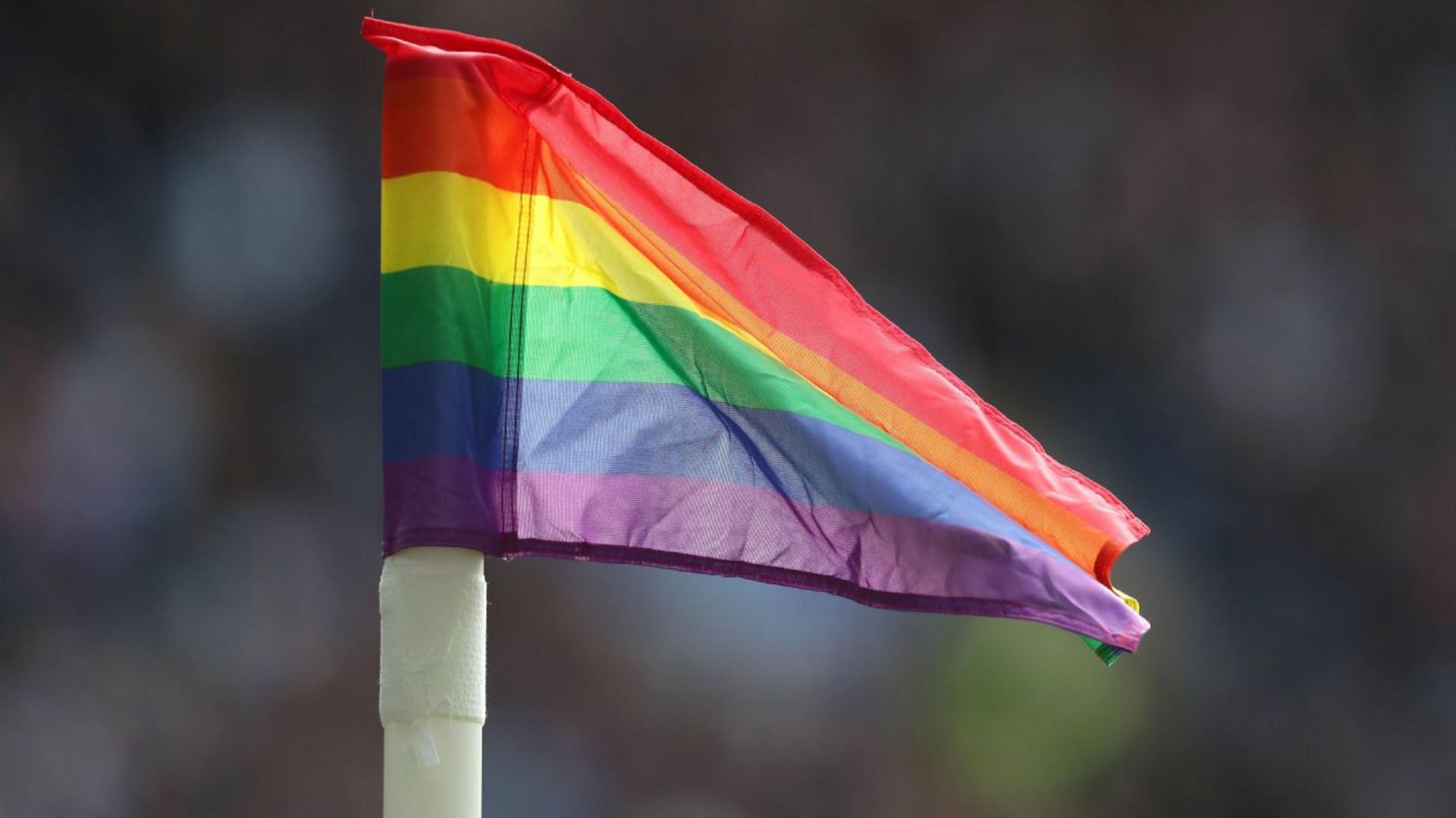
The World Cup qualifier held in Seattle included prominent visual displays incorporating the rainbow colors symbolizing LGBTQ+ Pride. This was part of the city’s broader inclusivity efforts and the United States Soccer Federation’s ongoing commitment to diversity and inclusion.
However, these symbols sparked controversy as Egypt’s and Iran’s football associations expressed that the Pride-themed aspects of the match were offensive to their cultural and national values. Both associations submitted official complaints to FIFA and local organizers, urging action against what they perceived as political demonstrations unsuitable for an international sporting event.
Statements from Egypt and Iran
- The Egyptian Football Association stated that the Pride event during the match violated FIFA’s rules prohibiting political statements under the guise of soccer celebrations. They emphasized respect for different cultures and called for neutrality in international competitions.
- Similarly, the Iranian Football Federation echoed concerns about cultural sensitivity and highlighted their domestic laws regarding LGBTQ+ issues. They requested measures to prevent such displays in future matches to avoid alienating participating nations.
Responses from U.S. Soccer and FIFA
In contrast, U.S. Soccer stood by its decision to support the Pride celebrations, highlighting a commitment to promoting human rights and equality as aligned with the values upheld in Seattle and across many parts of the United States. They emphasized that sport seeks to be a unifying force and that inclusion is a fundamental aspect of this spirit.
FIFA, meanwhile, expressed intention to review the complaints in accordance with its regulations. The governing body underscored the complexity of balancing cultural sensitivities with the organization’s dedication to combat discrimination and promote inclusion globally.
Broader Implications
The incident in Seattle spotlights the ongoing tensions between international sporting events and divergent cultural perspectives. It raises questions about how FIFA and host nations can navigate such divides while fostering an environment that both respects diversity and maintains neutrality on socio-political issues.
As the 2026 World Cup approaches and more matches are set to take place in culturally diverse settings, this controversy signals potential challenges ahead. Sporting bodies may need to develop clearer policies on symbolic expressions within matches to manage expectations and uphold the spirit of sport as an inclusive and apolitical arena.
Community and Fan Reactions
- Many fans and activists worldwide applauded the Seattle match as a progressive step for visibility and acceptance within sport.
- Conversely, some supporters from Egypt and Iran voiced disappointment and concern over what they perceived as disregard for their traditions and values.
- This divide reflects the broader global discourse on LGBTQ+ rights and cultural acceptance.
Looking Forward
While no immediate sanctions or penalties have been reported, the formal complaints mark a significant moment in the intersection of sports, culture, and politics. Future international matches held in countries with differing views on LGBTQ+ issues may witness similar disputes, prompting the importance of dialogue between FIFA, host nations, and participating teams.
The Seattle match controversy is not just a sports story but a reflection of global societal dynamics, highlighting the power of sports as a platform for both unity and complex cultural interplay.
Image courtesy by www.espn.com