Amorim Hits Out: ‘I’m Man Utd Manager, Not the Coach’
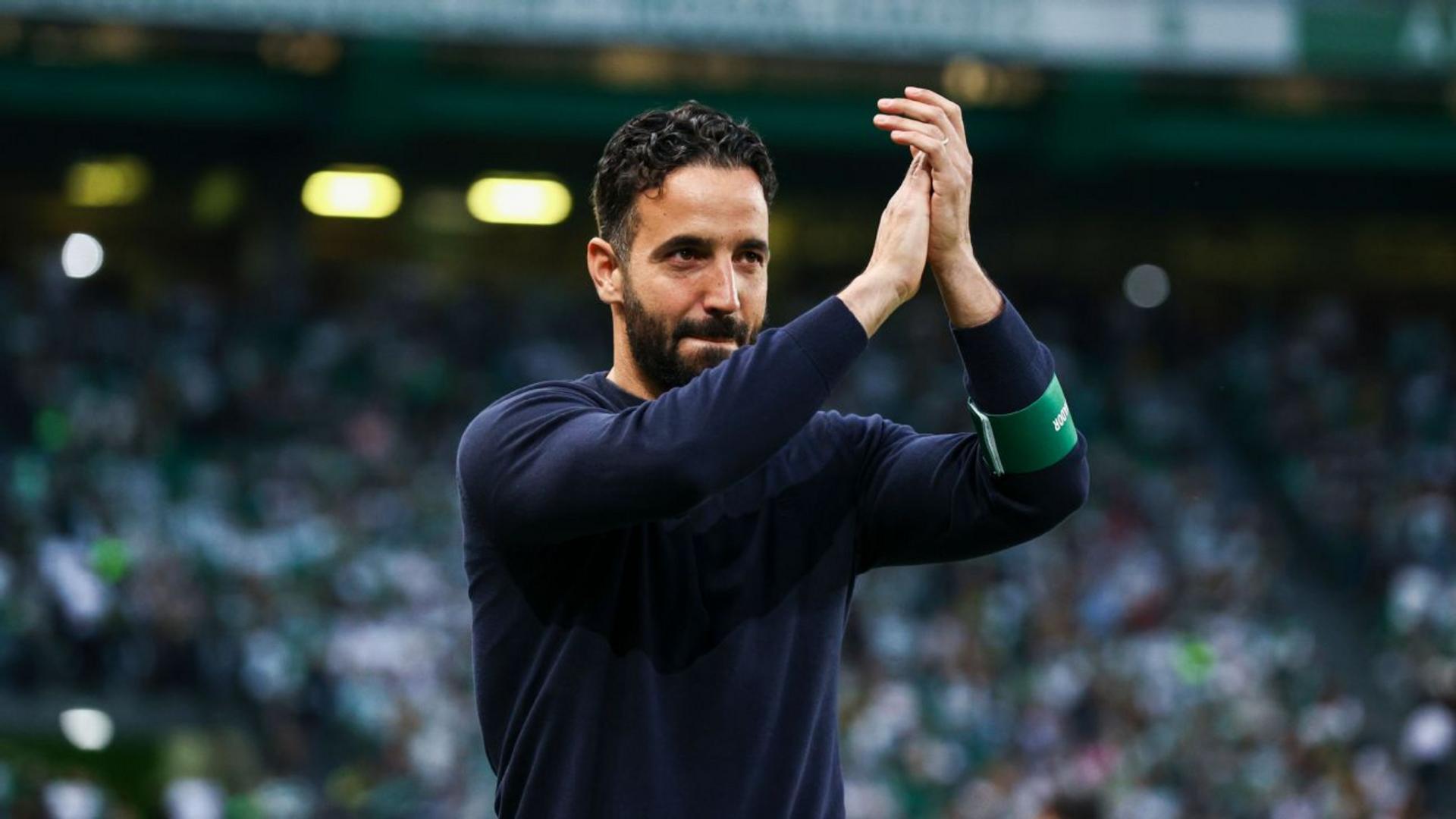
In a recent press conference, Rúben Amorim, the newly appointed manager of Manchester United, made a pointed clarification about his role at the club, distinguishing himself from the traditional coaching staff. His remarks have sparked widespread discussion about the ongoing power dynamics and organizational structure within the iconic football club.
Clarifying the Role
Amorim expressed frustration over misconceptions in the media and among fans regarding his responsibilities. ‘I am the manager of Manchester United, not the coach,’ he stated emphatically. This distinction, while subtle, highlights a significant divide in responsibilities at the club level, where a manager is typically seen as a figure responsible for overarching team strategy, transfers, and club representation, whereas coaches focus more on training sessions, player fitness, and match-day tactics.
He elaborated on his vision and leadership style, emphasizing a broader influence on the club’s performance beyond just training the players. Amorim stressed that managerial duties extend to team morale, transfer market decisions, and long-term planning—areas where he intends to make a lasting impact.
Underlying Power Struggle at Manchester United?
Amorim’s remarks come amid rumors and reports of a power struggle within Manchester United’s staff hierarchy. The club, known for its prominent and sometimes volatile managerial history, appears to be experiencing internal confusion over who holds ultimate authority in footballing decisions.
Sources close to the club suggested that some coaches and backroom staff feel bypassed or uncertain about their roles, as Amorim asserts comprehensive control. Meanwhile, the club’s executive leadership watches closely, possibly mediating these tensions to maintain a coherent operation that aims to restore United’s former glory.
Fans and Media Reactions
The public response has been mixed. Some supporters rally behind Amorim, appreciating his candidness and determination to take charge. Others critique the apparent disorganization and fear that infighting could hurt team performance on the field.
Media outlets have debated whether this statement signals a new managerial era or exposes deeper fractures within the club’s footballing structure. Analysts suggest this scenario is not uncommon in top European clubs undergoing transition and adaptation to modern managerial models.
What’s Next for Manchester United?
Looking ahead, both the club and Amorim will need to clearly define roles and strengthen cooperation to ensure progress. This includes aligning the board, coaching staff, and players under a united vision that can compete at the highest levels domestically and internationally.
As the Premier League season progresses, all eyes remain on Manchester United to see if Amorim’s leadership will stabilize the team and deliver results. His role as ‘manager, not just a coach’ may prove pivotal in steering the club back to success.
Image courtesy by www.espn.com