


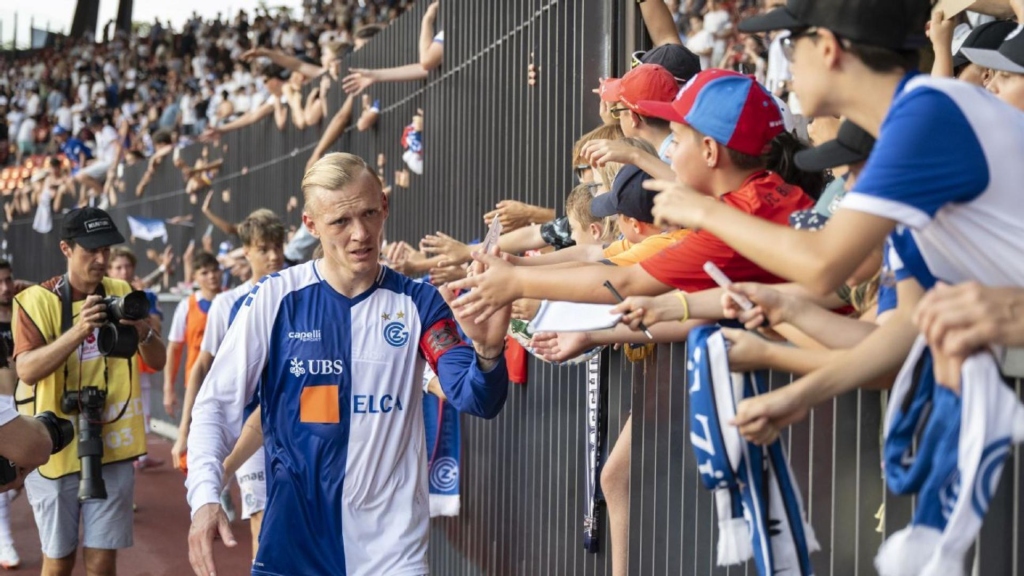
LAFC Offers to Sell Swiss Club Grasshoppers Following Fan Protests
Los Angeles Football Club (LAFC), a prominent Major League Soccer team, has put up its Swiss football club Grasshopper Club Zürich for sale after mounting protests from fans. The decision follows a period of unrest and dissatisfaction among the supporters, who have voiced concerns about the management and future direction of the club.
Background on LAFC’s Ownership of Grasshopper Club
LAFC’s acquisition of the Swiss club Grasshoppers was part of an international expansion effort aimed at establishing a global football footprint. Grasshoppers, one of Switzerland’s most historic clubs, has seen a mix of challenges and opportunities under LAFC’s ownership.
LAFC’s involvement was seen initially as a positive step toward strengthening ties between American and European soccer markets, providing a platform for player development, talent exchange, and commercial growth.
Fan Protests Prompting Ownership Changes
However, the relationship between the club’s ownership and its fanbase has significantly deteriorated, culminating in sustained protests. Supporters expressed dissatisfaction over decisions made by LAFC’s management that they felt negatively impacted the club’s traditions, playing style, and financial stability.
The protests highlighted several grievances, including dissatisfaction with recent team performance, perceived mismanagement, and concerns over the club’s identity under foreign ownership. Matchday demonstrations and social media campaigns amplified supporters’ calls for change.
LAFC’s Response and Decision to Sell
In response to the unrest and respecting the supporters’ voices, LAFC issued a statement indicating their intention to sell their stake in Grasshopper Club Zürich. The ownership group emphasized their commitment to the club’s long-term health and the importance of an ownership structure that aligns with the supporters’ vision.
LAFC spokesperson stated, “After careful consideration and discussions with the fans, we have decided to seek a new owner who shares the club’s ambition and values. We believe this is the best path forward for Grasshoppers and its passionate community.”
Implications for Grasshopper Club and Swiss Football
The prospective sale opens a new chapter for Grasshoppers, potentially bringing in new local or international investors. The transition could impact various elements including club management, player recruitment, and sponsorship deals.
Swiss football observers note the significance of this development, highlighting how foreign ownership models can spark both opportunities and conflicts within historic clubs. The resolution of this ownership tension could set a precedent for other mixed-ownership clubs in Europe.
Potential Buyers and Future Prospects
While no official buyers have been named, interest is expected from parties eager to invest in Swiss football and leverage Grasshoppers’ legacy. Interested bidders will likely need to engage closely with the fans and respect the club’s heritage while steering it toward competitive success.
LAFC has expressed willingness to facilitate a smooth transition and to ensure the club remains competitive in the Swiss Super League.
Reactions from Fans and Stakeholders
The announcement has elicited mixed reactions. Many fans welcomed LAFC’s decision to sell, viewing it as a victory for supporter influence and a step toward reclaiming their club’s identity.
Conversely, some stakeholders expressed concern about uncertainty during the ownership transition. They emphasized the need for stability and careful planning to maintain Grasshoppers’ standing in Swiss and European soccer.
Conclusion
LAFC’s offer to sell Grasshopper Club Zürich underlines the complex dynamics of modern football ownership, where fan engagement and cultural identity play critical roles. The next phase for Grasshoppers will be marked by negotiation, transition, and hopefully renewal under new stewardship aligned with the community’s aspirations.
As this story develops, the soccer world will be watching closely to see how a historic Swiss club navigates its path forward beyond foreign ownership.
Image courtesy by www.espn.com