


World Cup Host Cities Raise Alarm Over Security Issues Ahead of 2026 Tournament
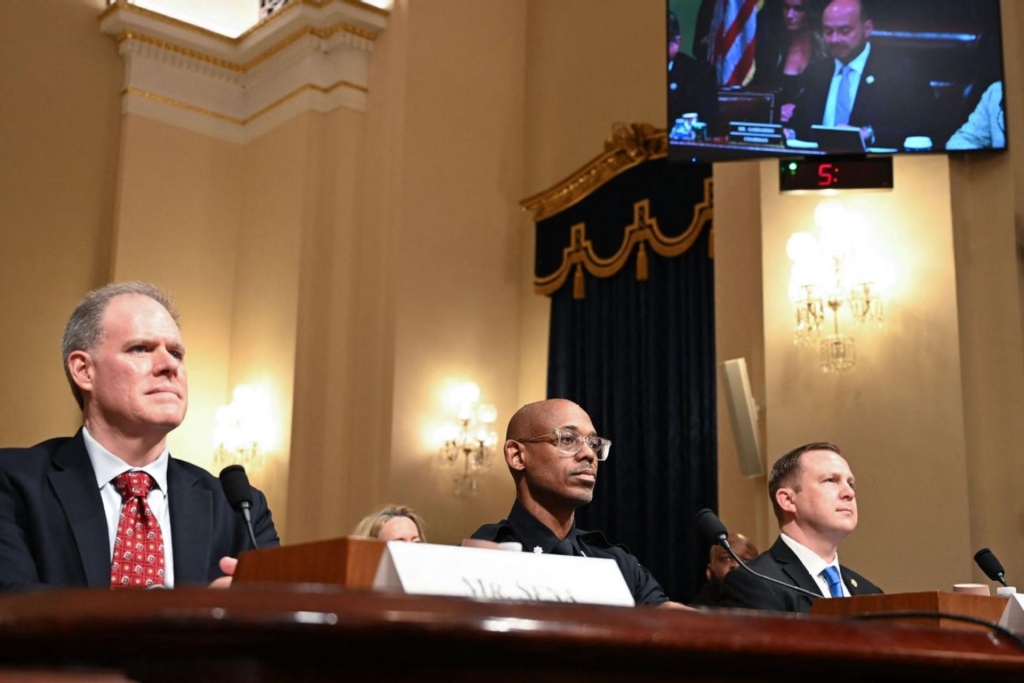
As the 2026 FIFA World Cup approaches, host cities across the United States have issued a unified warning to the U.S. Congress regarding significant security challenges associated with the global sporting event. With millions of visitors expected and heightened international attention, ensuring a safe environment is paramount for both the success of the tournament and the protection of attendees, residents, and infrastructure.
Concerns Highlighted by Host Cities
Key host cities, including major metropolitan areas slated to hold matches, have formally communicated potential risks to Congress members emphasizing the need for increased federal support. Their concerns span a broad spectrum of security facets, including terrorism threats, cyberattacks, crowd management, and preparation for emergency response in the case of natural or man-made incidents.
Officials stressed that while local law enforcement agencies and city governments have been preparing intensively, the scale and complexity of hosting such a global event require additional resources, coordination, and federal oversight to effectively mitigate risks.
Security Preparedness Efforts Underway
In collaboration with federal agencies such as the Department of Homeland Security and the FBI, host cities have been developing comprehensive plans encompassing enhanced surveillance, intelligence sharing, and layered security at stadiums and fan zones. Investments in technology and training have been accelerating, aiming to address the multifaceted threats that could target the tournament.
Moreover, cybersecurity has become a growing concern. The increasing digital footprint of the World Cup — from ticketing systems to broadcast services — makes it vulnerable to cyberattacks that could disrupt operations or compromise sensitive data. This has led to calls for a robust cybersecurity framework involving private sector partnerships and federal coordination.
Congress Urged to Support Security Funding and Legislation
Host city leaders have appealed to Congress to pass necessary legislation and allocate adequate funding that would bolster their security capabilities. The requests encompass financial assistance for infrastructure upgrades, personnel training, emergency preparedness drills, and the deployment of advanced surveillance technologies.
They also advocate for streamlined communication channels between local, state, and federal entities to foster rapid response capabilities in case of incidents. Given the international nature of the World Cup and its high-profile status, these measures are viewed as indispensable for national and public safety.
Balancing Security and Fan Experience
While emphasizing safety, officials also recognize the importance of maintaining a welcoming and vibrant atmosphere that defines the spirit of the World Cup. Security protocols are being designed to minimize disruptions to fans’ enjoyment while not compromising on the thoroughness of protective measures.
Public engagement campaigns are underway to raise awareness among attendees about security policies, reporting suspicious activities, and cooperative behavior that can contribute to overall safety.
Implications Beyond the World Cup
The security preparations for the 2026 World Cup are setting a precedent for managing large-scale international events in the United States. Lessons learned and improvements made through this process are expected to enhance the nation’s capabilities in handling global events and ensuring public safety in the long term.
Authorities emphasize that a failure to adequately prepare could have severe repercussions, not only for the tournament itself but also for the reputation of the U.S. as a safe and capable host country.
Conclusion
As the countdown to the 2026 World Cup continues, the warnings issued by the host cities serve as a critical reminder of the magnitude of the security challenge ahead. The collaboration among local cities, federal government agencies, and private stakeholders will be essential to deliver a secure and successful tournament that celebrates the world’s most popular sport while protecting all participants and fans.
Image courtesy by www.espn.com