


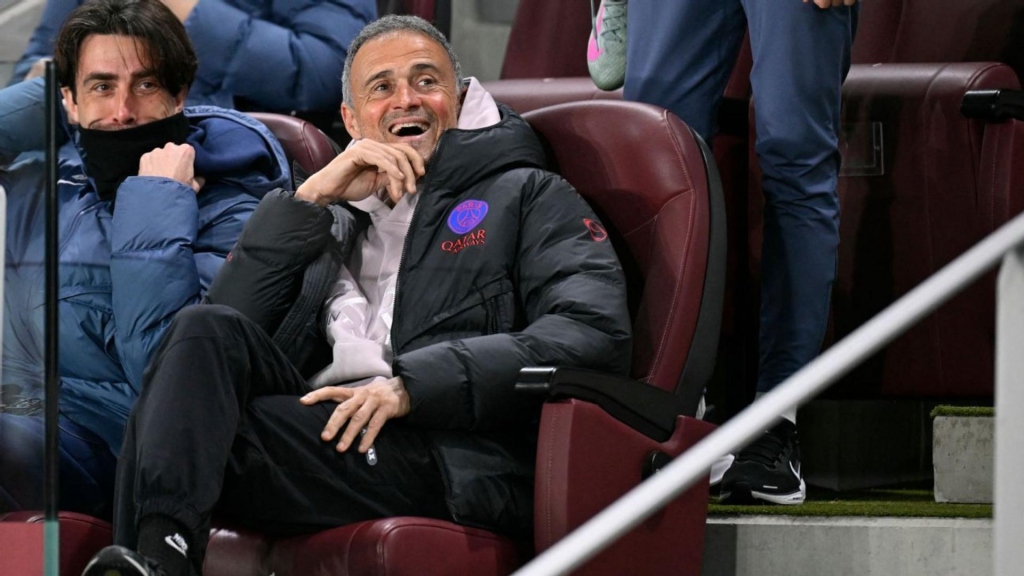
Why Are Soccer Managers Watching Games From the Stands? Rugby Holds the Answer
In the evolving world of soccer management, a fascinating trend has emerged: managers are increasingly choosing to watch games from the stands rather than the traditional dugout. This shift, inspired by rugby’s successful approach, is reshaping how tactical decisions are made during matches and how managers interact with their teams on the pitch.
The Traditional Role of a Soccer Manager
Historically, soccer managers have been sideline figures, pacing the technical area, vocally directing their players, and making tactical changes framed by limited viewing angles. Their position is often restricted to the bench and adjacent technical area, which constrains their perspective of the entire field and the complex dynamics that unfold during play.
Learning From Rugby: A New Perspective
Rugby, particularly highlighted during tournaments like the Six Nations, has demonstrated the benefits of stadium-level observation. Coaches there often watch the game from elevated positions in the stands, where they can take in the full spatial configuration, patterns of play, and player positioning in a way that sidelines do not allow.
This comprehensive vantage point enables coaches to identify weaknesses and opportunities with greater clarity and adjust their strategies accordingly in real time. The ability to see the entire field and anticipate plays leads to more informed decision-making and ultimately can influence the outcome of the match significantly.
Adoption in Soccer: Luis Enrique and the Innovative Approach
Prominent soccer managers, including Spain’s Luis Enrique, have begun to embrace this rugby-inspired method. By requesting special permissions and logistical arrangements to watch games from the stands, they seek to gain a broader tactical overview.
Enrique’s adoption of this method is a reflection of a modern managerial mindset that prioritizes data, spatial awareness, and comprehensive analysis over traditional proximity. His innovative approach has not only garnered attention but also challenges long-standing norms within soccer management.
Benefits of Watching from the Stands
- Improved Tactical Analysis: The elevated view allows managers to analyze team shape and opposition movement more effectively.
- Better Communication: Using technology such as headsets, managers can relay precise tactical instructions based on their superior vantage point.
- Reduced Emotional Reaction: Being further from the pitch allows for clearer, less emotionally driven decisions.
- Enhanced Player Monitoring: Managers can observe off-the-ball movement and fitness levels more closely.
Challenges and Considerations
The transition to stands-based observation is not without hurdles. It involves navigating stadium regulations, coordinating with match officials, and sometimes convincing stakeholders of the merits of this new approach. Additionally, it may impact the traditional, charismatic presence managers provide close to their players, which is an intangible asset in itself.
Despite these challenges, the clear strategic advantages have prompted more soccer organizations to explore this model, blending tradition with innovation.
Future Outlook
The integration of rugby’s observational tactics signifies a broader trend in soccer towards analytics, technology, and novel strategies to gain competitive edges. As more managers experiment with new vantage points and incorporate sophisticated communication tools, fans and players alike can expect a dynamic shift in how matches are strategized and managed.
This trend could redefine roles within coaching teams, impact game tempo, and encourage further innovations that bridge the gap between different sports methodologies.
Conclusion
The reason soccer managers are increasingly watching games from the stands is rooted in a quest for better tactical insight and strategic advantage. Inspired by rugby’s example, this novel approach demonstrates how cross-sport learning can lead to meaningful evolution in sports management, promising an exciting future for soccer’s tactical landscape.
Image courtesy by www.espn.com