


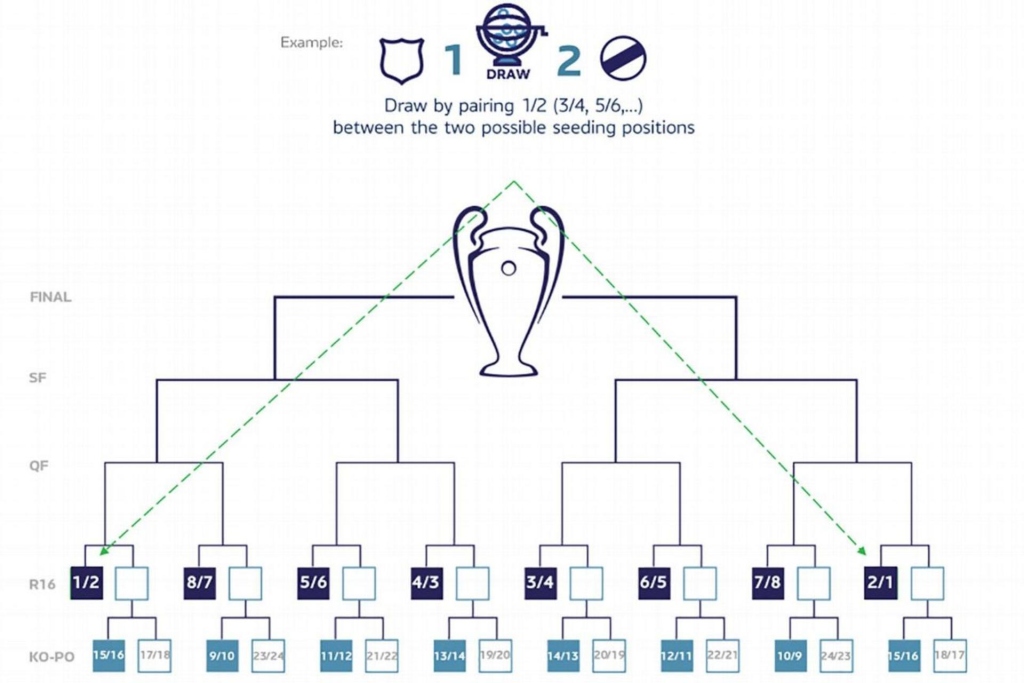
Revamping the Champions League: Exploring Innovative Format Changes
The UEFA Champions League, Europe’s premier club football competition, has long been a pinnacle of sporting excellence and global fan engagement. However, as the football landscape evolves with growing commercial pressures and changing fan expectations, discussions around improving the format have intensified. Experts such as Sam Wallace Ogden and Mark Ogden collaborate with ESPN’s Marcotti and Connelly to propose transformative ideas that could reshape the competition to enhance excitement, fairness, and global appeal.
A New Mini-League Structure
One of the major ideas mooted is to introduce a new ‘mini-league’ format as a replacement for the traditional group stage. This system would involve a single list of teams all playing a larger number of games against varied opponents rather than being confined to just three other teams in a small group. By doing so, the mini-league could create more meaningful matches throughout the season, reduce dead rubbers, and allow fanbases to see their clubs face a broader spectrum of Europe’s elite.
This format promises several benefits:
- More games between top teams in the initial phase.
- Greater fairness as rankings are based on results against a wider selection of opponents.
- Reduction of matched-fixing or dead games as each fixture retains importance for qualification.
Empowering Clubs to Pick Opponents?
Another revolutionary idea is allowing clubs to have more say in who they face in the group or initial stages. The concept would give bigger clubs the autonomy to select or avoid certain opponents based on strategic, commercial, or sporting reasons.
While unconventional, proponents argue it could lead to highly engaging fixtures and reduce mismatches caused by random draws. Critics, however, debate the potential issues around fairness, sporting integrity, or the creation of an elite monopolizing most favorable conditions.
Fixing the Format for the Future
The experts combined their extensive knowledge and critique to offer a holistic reform blueprint:
- Maintain competitiveness by ensuring all teams play a substantial number of high-stake matches.
- Increase revenues by expanding global TV audiences with more marquee matchups.
- Protect smaller clubs by guaranteeing participation and reducing early eliminations due to tough draws.
- Preserve tradition while innovating to meet modern demands, balancing pure footballing values with commercial consideration.
Conclusion
The discussion on improving the Champions League format reflects broader challenges in balancing competitiveness, fairness, and commercial appeal in modern football. Whether a new mini-league structure, clubs selecting opponents, or a hybrid solution, UEFA faces a complex task in future-proofing the competition to remain the crown jewel of international club football.
Fans and stakeholders alike will closely watch further debates and proposals shaping the Champions League of tomorrow.
Image courtesy by www.espn.com