

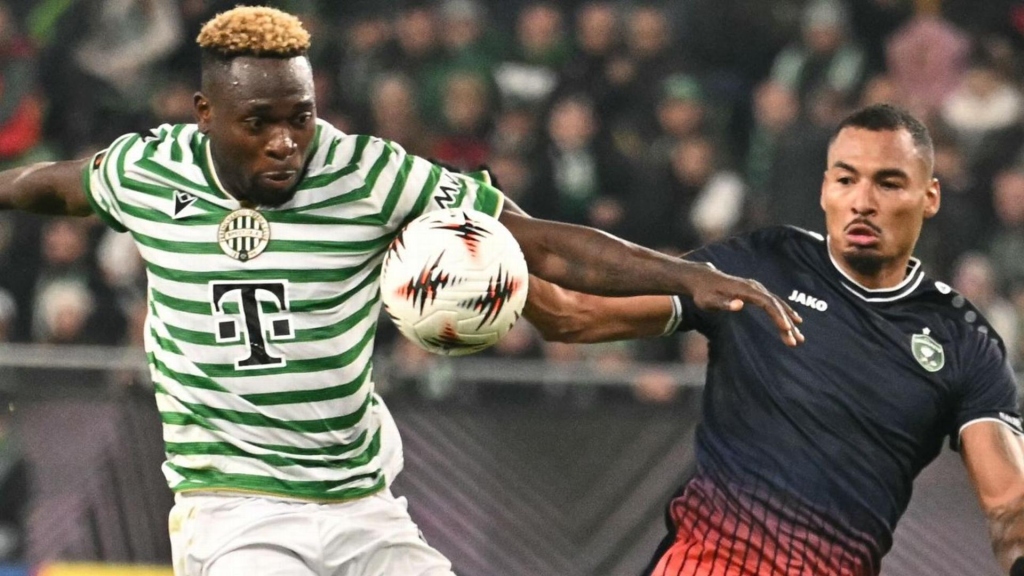
The Groundhog Day Derby: A Rare Encounter in European Soccer
In an unusual twist of fate, two prominent European soccer teams are set to face each other an astonishing five times within a single season. Dubbed the “Groundhog Day Derby,” this rare sequence of matches has captivated fans and analysts alike, raising questions about the dynamics and implications of such frequent encounters.
The Teams and the Context
The teams involved are well-known rivals in the European football scene, and the timing of these matches has added an intriguing layer to their ongoing competition. These frequent clashes come from overlapping commitments across multiple competitions, including the domestic league, national cup tournaments, and continental championships.
Why So Many Meetings?
-
Domestic League Matches: As part of their league obligations, these teams face off twice, home and away.
-
National Cup Encounters: Draws in the national cup competition have paired the two teams, resulting in additional knockout or replay fixtures.
-
European Competitions: Both clubs have progressed to later stages of continental tournaments, leading to further matchups in group stages and knockout rounds.
This amalgamation of overlapping schedules has created a scenario where fans witness the same derby multiple times, thereby intensifying rivalries and sporting narratives.
Impact on Players and Strategies
Facing the same opponent multiple times demands tactical adaptability from coaches and players. Each match teaches new lessons, and teams often evolve their strategies to gain advantages in subsequent games. Additionally, the psychological aspect of these repeated encounters adds pressure, with players keenly aware that every match could swing momentum heavily in one direction.
Fan Experience and Rivalry Renaissance
For supporters, few things match the excitement of derby days. The “Groundhog Day Derby” amplifies this excitement, providing repeated opportunities to engage with the rivalry. While some fans enjoy repeatedly seeing their teams clash, others worry about potential fatigue or predictability.
Historical Precedents and Rarity
Historically, instances where teams meet five times in a season are exceptional and tend to occur only when teams involved consistently perform well across multiple competitions simultaneously. Such scenarios underscore the increased competitiveness and depth in European soccer.
Looking Ahead
As this series of matches unfolds, analysts and enthusiasts will watch closely to see which team emerges dominant and how the frequent meetings influence their season outcomes. The “Groundhog Day Derby” stands as a fascinating case study in modern football’s scheduling and competitive complexity.
To stay updated on this evolving rivalry and other soccer news, fans can follow live broadcasts, expert analyses, and team statements.
Image courtesy by www.espn.com