


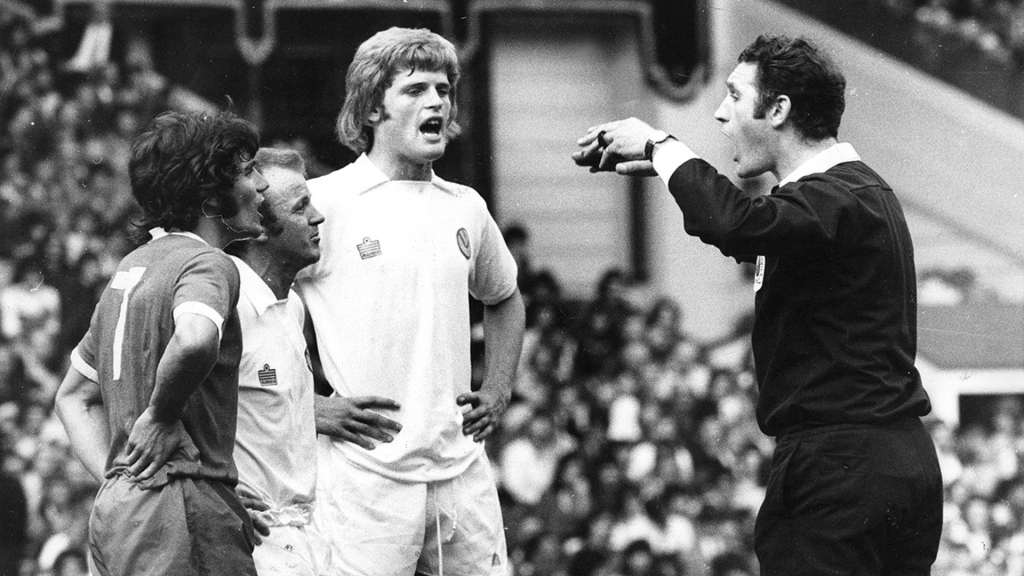
Coroner: Heading Ball Likely a Factor in Gordon McQueen’s Death
Recent findings from a coroner’s report indicate that repeated heading of the ball likely contributed to the premature death of Gordon McQueen, a former Scottish footballer renowned for his defensive prowess. McQueen, who played for teams such as Leeds United and Manchester United, passed away with brain injuries linked to his playing career. The coroner’s investigation sheds light on the potential long-term dangers associated with heading the ball in football.
Background on Gordon McQueen
Gordon McQueen was a highly respected central defender throughout the 1970s and early 1980s. Known for his aerial ability and tough defensive style, he was a staple in both Leeds United’s and Manchester United’s starting lineups. His career was marked by significant success, including league titles and international recognition representing Scotland, but it also exposed him to repetitive head impacts from heading the football during matches and training.
Findings of the Coroner’s Report
The coroner reviewed medical records, expert testimonies, and McQueen’s history of playing football at the highest professional levels. The report concluded that cumulative trauma from repetitive heading was a likely contributing factor to brain damage ultimately causing complications which led to his death. The statement emphasized the correlation between repeated heading in football and neurological damage seen posthumously in McQueen’s examination.
Health Risks of Repeated Heading
Heading is a fundamental skill and tactical element in football, involving players using their heads to control, pass, or clear the ball. However, medical professionals have warned for years that the act of heading may cause concussions or subconcussive impacts, which can accumulate over time and lead to chronic traumatic encephalopathy (CTE) and other brain injuries. McQueen’s case supports growing evidence urging the football world to reevaluate heading’s safety, especially at youth levels.
Football Authorities React
Following the coroner’s revelations, football governing bodies have faced increased pressure to implement safety measures. Various organizations are reviewing guidelines around heading, considering restrictions for younger players and encouraging awareness campaigns regarding potential brain injury risks. The Premier League, the Scottish Football Association, and FIFA have acknowledged the importance of player safety and have initiated studies to better understand heading-related injuries.
Legacy and Future Implications
Gordon McQueen’s story underscores the urgent need for the football community to balance traditional gameplay with modern medical understanding. The report highlights how former generations of players might have unknowingly faced significant health risks. Moving forward, the sport is challenged to innovate training methods, improve protective gear, and educate players at all levels to mitigate potential brain injuries linked to heading.
In honoring McQueen’s contributions to football, the community also hopes to spark necessary conversations about player welfare and lasting health impacts, ensuring the safety of future generations.
Image courtesy by www.espn.com